

Alex de Souza: The Brazilian Who Became Fenerbahçe’s Greatest Foreign Legend
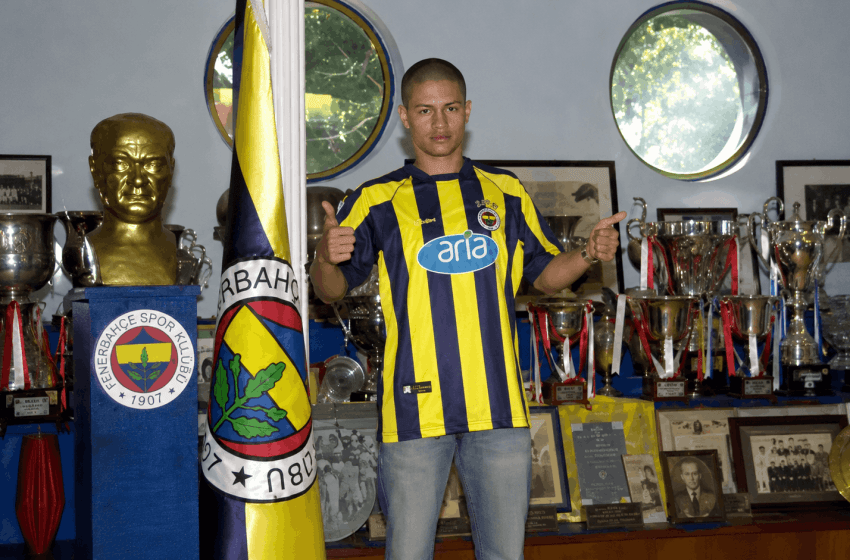
Alex de Souza arrived at Fenerbahçe in the summer of 2004 with an impressive reputation in South America, but very few in Turkey fully understood what was about to happen over the next eight years. Brazilian football had already produced glamorous exports before him, yet Alex felt different almost immediately. He was not built around pace, physical dominance or spectacle. He played with calculation, rhythm and precision. Matches often seemed to move at his speed rather than the other way around.
Born on September 14, 1977 in Curitiba, Brazil, Alexsandro de Souza developed through the youth ranks of Coritiba before emerging as one of the most technically gifted attacking midfielders in Brazilian football during the late 1990s. He later starred for Palmeiras and Cruzeiro, establishing himself as one of the defining playmakers of his generation. His 2003 season with Cruzeiro remains one of the great individual campaigns in Brazilian domestic football history. Cruzeiro won the Campeonato Brasileiro Série A, Copa do Brasil and Campeonato Mineiro in the same season, completing a historic domestic treble, with Alex orchestrating the side as captain, creator and scorer.
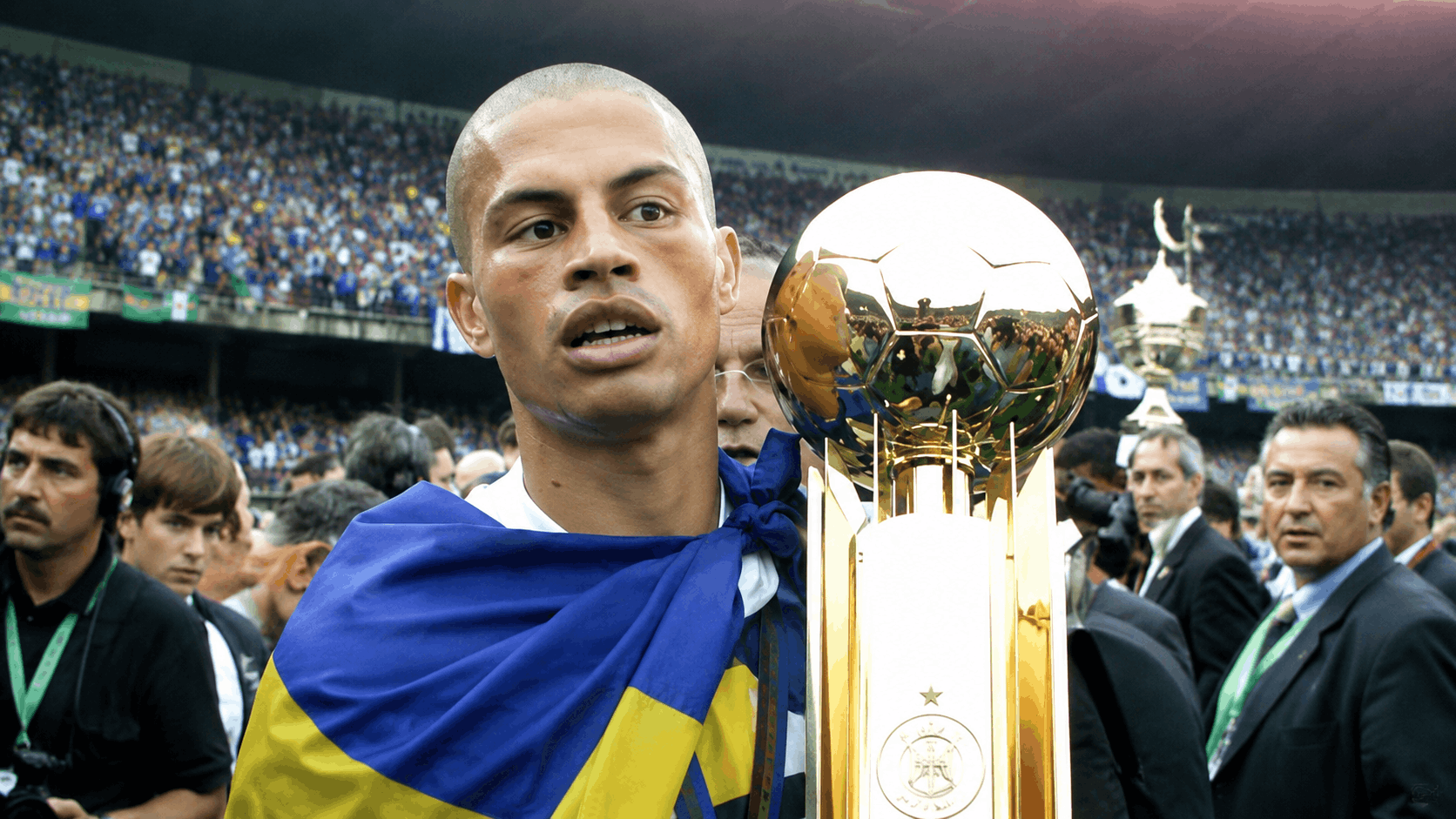
By the time Fenerbahçe signed him in 2004, Alex already had a Copa Libertadores title with Palmeiras, multiple domestic trophies and an established reputation with the Brazilian national team. Yet his arrival in Turkey still carried uncertainty. Turkish football had seen technically gifted foreigners before, but the Süper Lig environment was notoriously difficult for creative players. Matches were physical, emotionally volatile and tactically chaotic. Foreign stars either adapted quickly or disappeared. Alex adapted almost instantly.
Fenerbahçe’s “Galácticos” era
Alex’s arrival at Fenerbahçe also coincided with one of the most ambitious periods in the club’s modern history under chairman Aziz Yıldırım. During the 2000s, Yıldırım was determined to transform Fenerbahçe into the dominant force of Turkish football and a genuine European contender. Galatasaray’s UEFA Cup triumph in 2000 had shifted the balance of prestige in Turkish football, and Fenerbahçe responded by aggressively investing in elite-level talent. Alex became the centrepiece of that vision.
The project gradually evolved into what many supporters still describe as Fenerbahçe’s “Galácticos” era. The club assembled internationally recognised names including Nicolas Anelka, Roberto Carlos, Ariel Ortega, Mateja Kežman and Stephen Appiah alongside elite domestic players such as Tuncay Şanlı, Volkan Demirel and Semih Şentürk. The intention was not merely to win league titles, but to build a side capable of dominating Turkish football while competing seriously in Europe. Alex emerged as the technical and emotional focal point of that generation, becoming the player around whom the entire project ultimately revolved.
His first season in İstanbul ended with a Süper Lig title in Fenerbahçe’s centenary year. It was the perfect entrance. He scored goals, dictated matches and quickly established an understanding with players like Tuncay Şanlı, Nicolas Anelka, Aurelio and later Stephen Appiah. More importantly, he connected emotionally with supporters in Kadıköy. Fenerbahçe fans have always appreciated footballers who embrace responsibility in difficult moments, and Alex repeatedly did exactly that.
Over eight seasons between 2004 and 2012, Alex became arguably the greatest foreign player in the history of Turkish football.
His numbers remain staggering.
In 344 appearances for Fenerbahçe across all competitions, Alex scored 171 goals and provided 146 assists. For an attacking midfielder rather than an outright striker, the consistency borders on absurd. In league competition alone, he recorded 134 goals and 105 assists in 241 Süper Lig appearances. His overall goal contribution averaged more than one direct involvement per game across league and European football.
He was not merely productive against smaller clubs either. Many of his defining moments arrived in the matches that shape reputations permanently in Turkey: Galatasaray derbies, Beşiktaş derbies, title races and European nights.
His famous bicycle kick against Samsunspor became one of the iconic goals of the Süper Lig era. He scored countless free-kicks with remarkable composure, often making elite goalkeepers appear static. His long-range strikes against İstanbul rivals became recurring events rather than isolated highlights. Several of his penalties carried the strange calmness that defined his entire career; he rarely looked rushed regardless of circumstance.
European competition further elevated his status
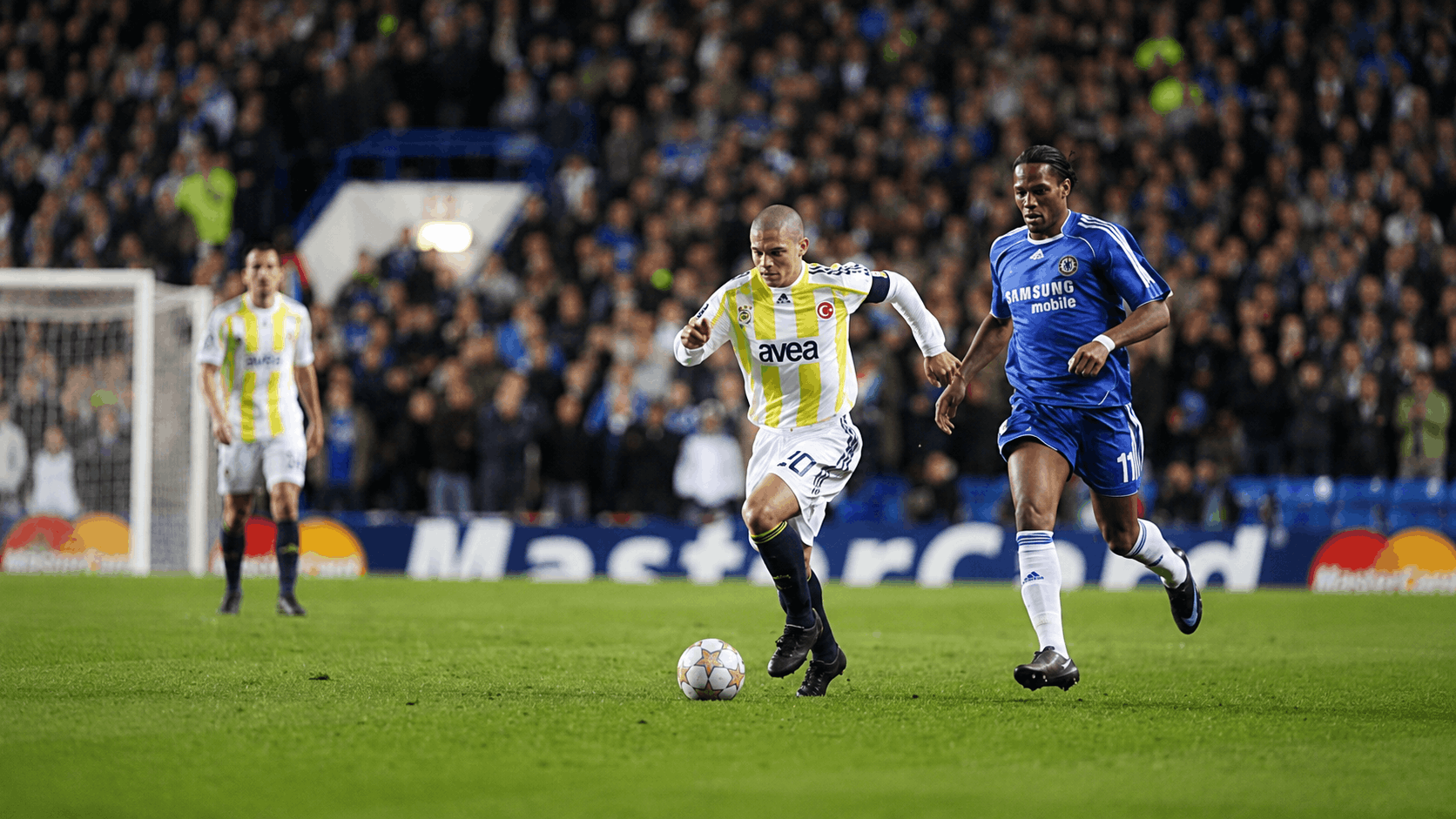
During the 2007–08 UEFA Champions League campaign, Alex helped lead Fenerbahçe to the quarter-finals for the first time in club history. It remains one of the greatest European runs by a Turkish club in the modern Champions League era. Fenerbahçe defeated Sevilla dramatically on penalties and competed against Chelsea in the quarter-finals after eliminating PSV Eindhoven in the group stage. Alex finished the campaign as the competition’s leading assist provider.
The squad itself became legendary among Fenerbahçe supporters. Roberto Carlos, Stephen Appiah, Diego Lugano, Edu Dracena, Deivid, Semih Şentürk, Tuncay Şanlı and Volkan Demirel formed the core of a side remembered for combining technical quality with emotional resilience. At the centre of it all stood Alex.
What separated him from many gifted playmakers was his efficiency. He rarely wasted movement. As his career progressed, especially while dealing with chronic pubis problems, he adapted his game intelligently. He became even more economical physically while remaining devastating technically. His passing angles, first touch and timing compensated for any reduction in mobility. By his later Fenerbahçe years, he controlled matches through positioning and anticipation rather than athleticism.
Alex also developed into a respected captain, though in a style very different from traditional Turkish football leadership models. He was calm, measured and rarely theatrical. Former teammates often described his authority as natural rather than imposed. In difficult matches, his presence alone appeared to reassure teammates. Numerous stories emerged over the years of Alex demanding the ball during periods of pressure, convinced he could decide matches himself. More often than not, he was correct.
Domestically, his honours list with Fenerbahçe became immense.
He won three Süper Lig titles:
- 2004–05
- 2006–07
- 2010–11
He also won:
- Turkish Cup (2011–12)
- Turkish Super Cup (2007, 2009)
Individually, he collected:
- Süper Lig Top Scorer (2006–07)
- Süper Lig Top Scorer (2010–11)
- Turkish Footballer of the Year (2005)
- Turkish Footballer of the Year (2010)
His scoring titles remain especially remarkable considering he operated primarily as a number ten rather than a centre-forward.
Internationally, Alex’s story remains one of football’s great curiosities.
Between 1998 and 2005, he earned 48 caps for Brazil and scored 12 goals. He won the Copa América twice, in 1999 and 2004, captaining Brazil to the latter title. He also participated in the FIFA Confederations Cup and Olympic competition. Yet despite his club success and technical brilliance, he was never selected for a FIFA World Cup squad.
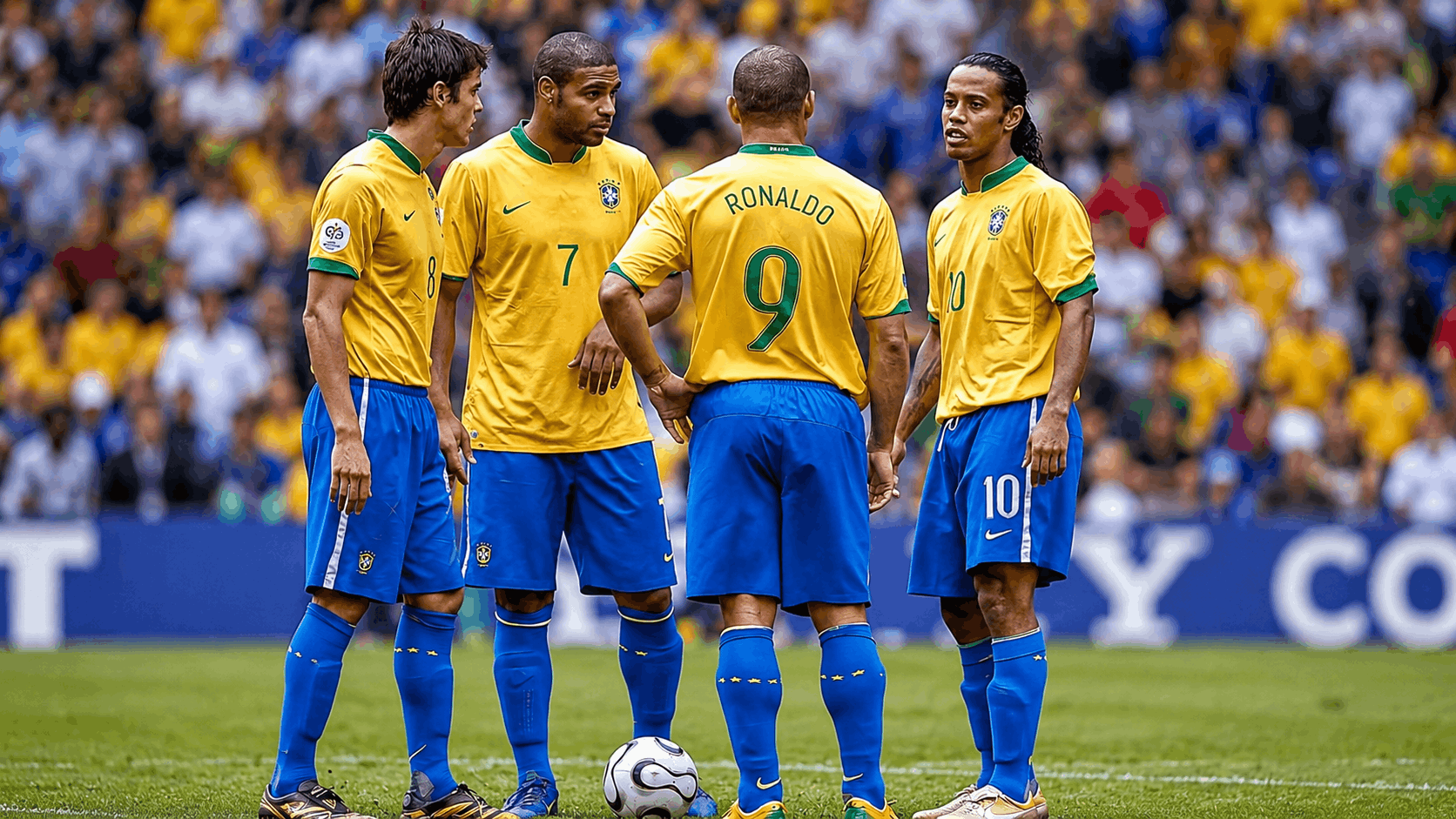
Part of the explanation lies in timing. Alex competed for places during one of the most talent-rich periods in Brazilian football history. Rivaldo, Ronaldinho, Kaká, Ronaldo, Adriano and numerous other attacking stars crowded the national team setup during his peak years. Nevertheless, many supporters in both Brazil and Turkey still regard his World Cup absence as one of the harshest omissions of that era.
By the end of his Fenerbahçe career, Alex had become far more than a successful foreign footballer. He became embedded in the club’s cultural identity.
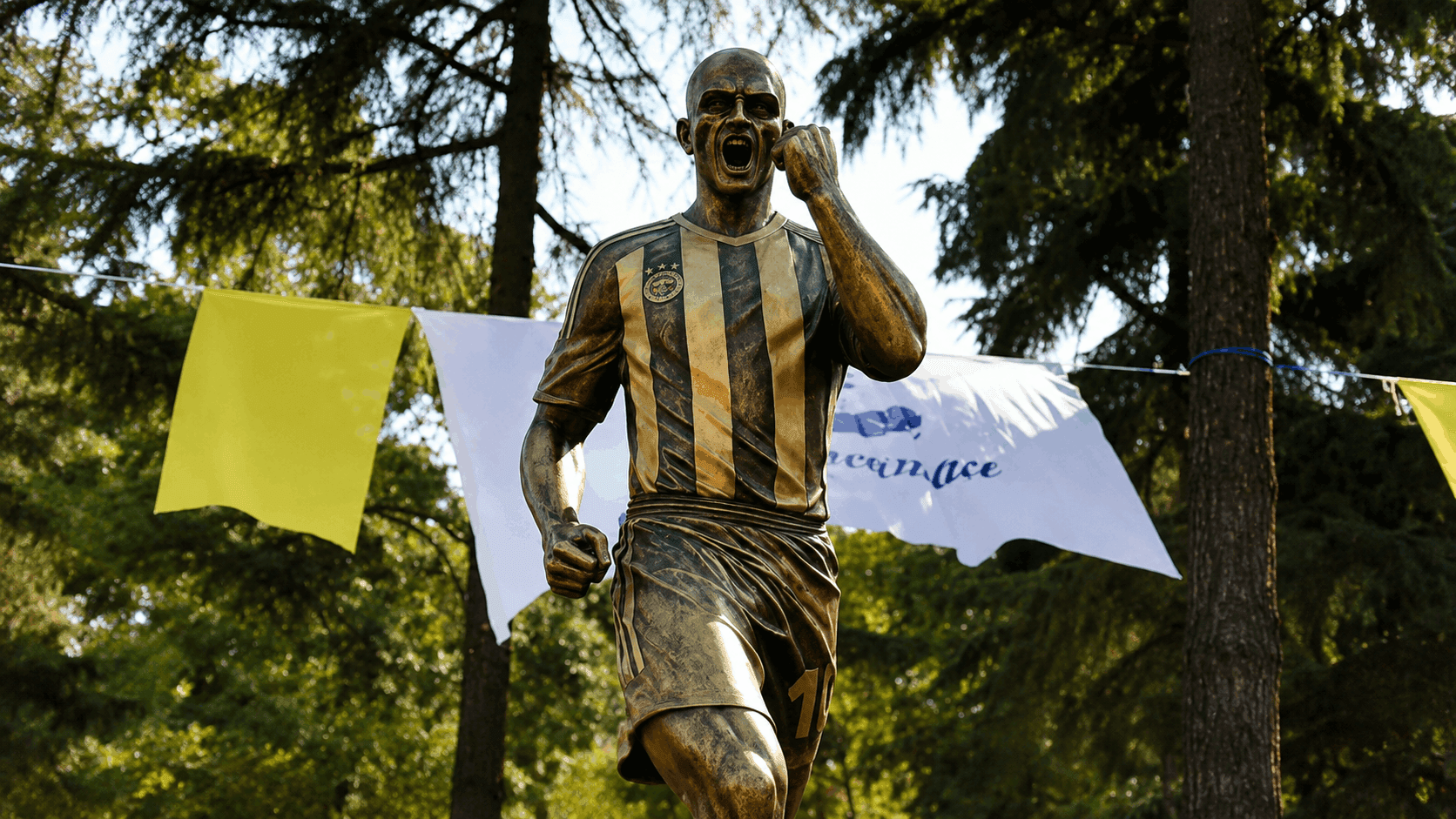
In 2012, supporters independently funded and erected a bronze statue of him in Yoğurtçu Park in Kadıköy while he was still an active player; something almost unheard of for a foreign footballer in Turkey. The statue quickly became a landmark for Fenerbahçe supporters, covered in scarves, flowers and matchday photographs. More than a tribute to goals and assists, it reflected how completely Alex had embedded himself into the emotional identity of the club. In 2024, Fenerbahçe announced plans to relocate the statue to a more prominent position near the Şükrü Saracoğlu Stadium alongside other major club legends.
His departure from Fenerbahçe, however, was painful.
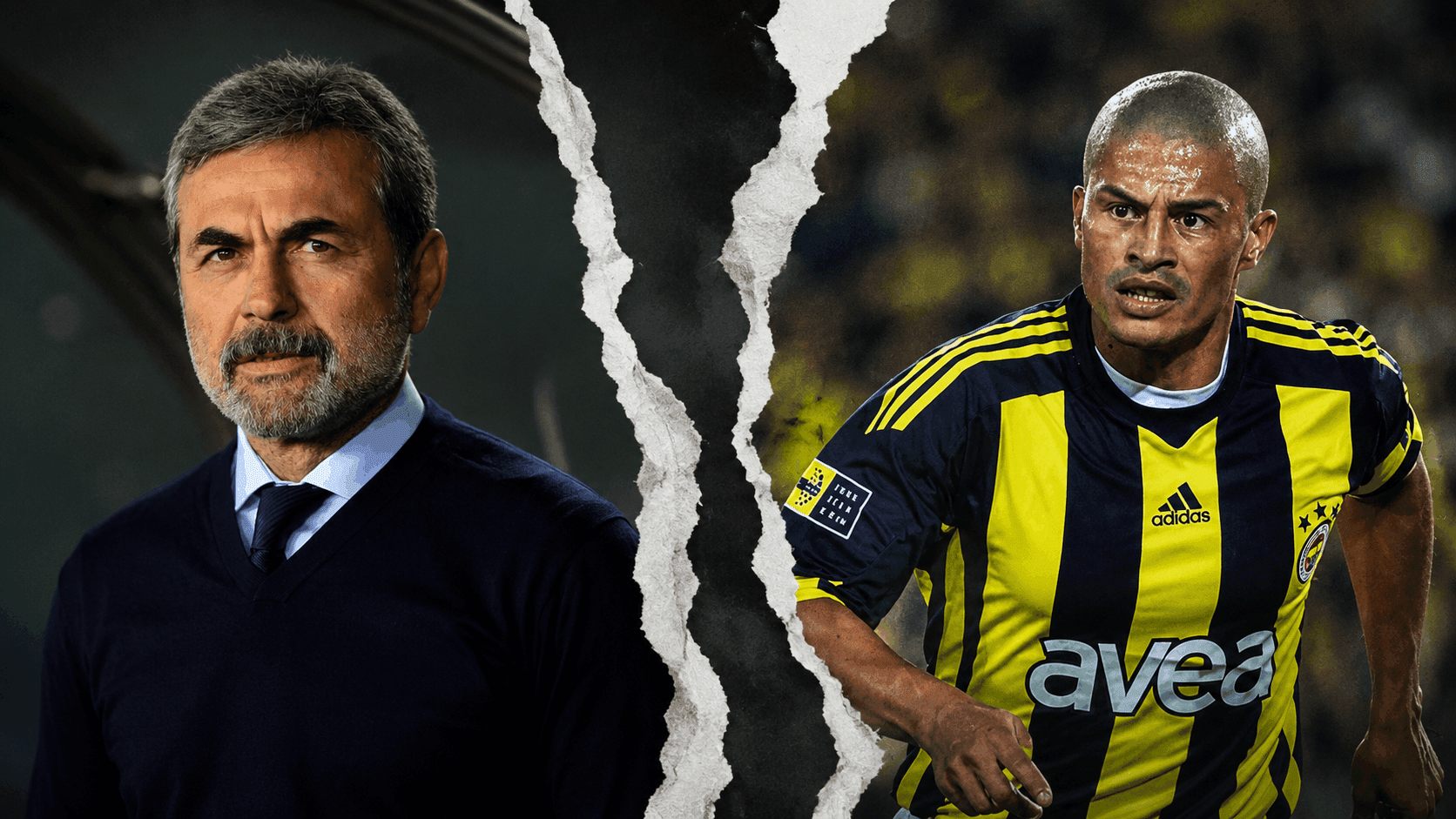
In October 2012, tensions between Alex, manager Aykut Kocaman and chairman Aziz Yıldırım escalated publicly. The relationship between player and management deteriorated during a difficult transitional period at the club. Eventually, Alex’s contract was terminated, bringing his Fenerbahçe career to an abrupt and emotional end. The separation created enormous controversy among supporters, many of whom viewed Alex not simply as a footballer but as the symbolic face of an era.
Despite the difficult exit, the bond between Alex and Fenerbahçe never truly disappeared.
Even years after retirement, he continued expressing affection for the club and interacting warmly with supporters. In May 2026, he again publicly showed support for Fenerbahçe and figures associated with his time at the club, reinforcing the enduring relationship between player and fanbase.
After retiring as a player, Alex moved into coaching in Brazil. He managed youth setups and senior clubs before becoming head coach of Athletic Club (MG) in Brazil’s Série B.
Still, for many supporters, especially in İstanbul, Alex remains frozen somewhere between footballer and folklore.
A Brazilian playmaker who arrived in Turkey as an accomplished South American star and left as one of the defining figures in Fenerbahçe history.