


Between Two Worlds: The “Almancı” Struggle in Turkish Football
For a generation of German-born Turkish footballers like Volkan Arslan, Ümit Karan, and Ali Güneş, moving to the “Motherland” wasn’t just a career step—it was a psychological collision. They arrived with German tactical discipline and “Panzer” work ethics, only to be met with flying chairs in cafes, “media madness,” and the dreaded label of being an outsider: the Almancı.
The Linguistic Tightrope: “We Just Learned Turkish”
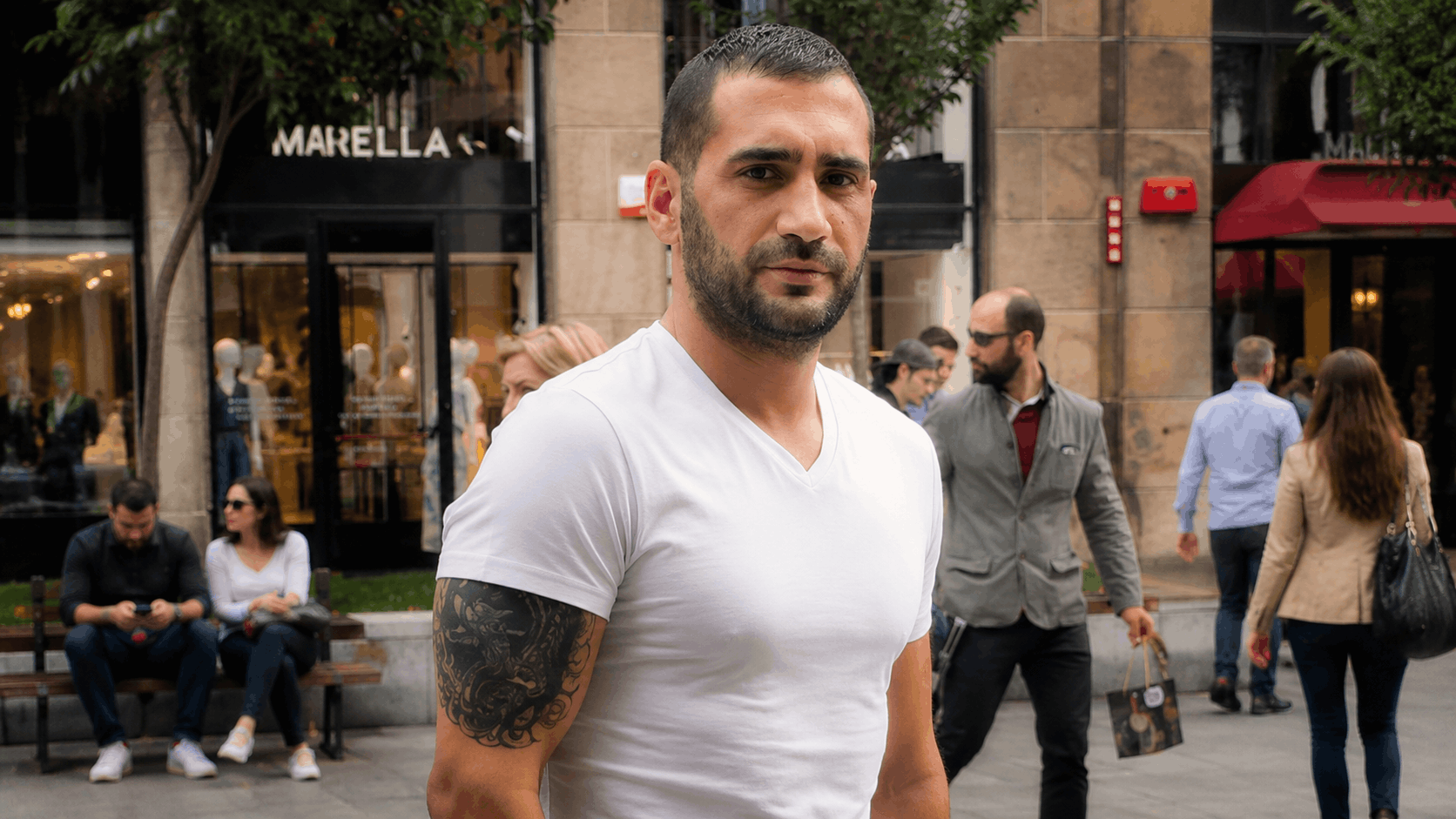
The biggest hurdle wasn’t the offside trap; it was the interview microphone. Many players grew up speaking a fragmented “Gurbetçi” Turkish—a mix of family dialects and German syntax.
- The “Intellectual” Trap: Volkan Arslan recalls teammates like Ümit Karan trying to sound sophisticated to appease the Turkish media. Attempting formal phrases like “Takımın iskeletini kurduk” (We built the backbone of the team), they would often mangle the grammar, turning a serious post-match analysis into locker-room comedy gold.
- Social Survival: In Turkey, the dressing room is ruled by quick wit and slang. Being “too German”—literal, quiet, and direct—meant you were often the target of the joke rather than the one making it.
Professionalism vs. The “Chaos” System
Coming from the Bundesliga, where training started at 09:00:00 sharp, the Turkish approach was a fever dream.
- The Tactical Theater: Volkan describes the surreal world of coaches like Hikmet Karaman, who might disappear mid-session or invent “six-attacker” formations on a whim.
- The Camp “Prison”: In Germany, players had lives. In Turkey, the kamp system meant living in hotels for days on end, playing endless rounds of Okey and cards to stave off the mental collapse of boredom.
- The Superstition: While German football relied on sports science, Turkish derbies relied on the supernatural. Ali Güneş and Volkan recall teammates physically destroyed by stress, using candles and incense to ward off bad luck before stepping into the “Hell” of Kadıköy.
The “German Panzer” Stereotype
The players were often viewed through a double lens. They were Turkish enough to play for the National Team, but “German” enough to be scapegoated.
The Pizza Van Incident: Ali Güneş recalls sneaking out of camp in a kit van to get pizza. When caught, the staff didn’t just punish him; they mocked him. “You’re the German Panzer,” they said, implying his upbringing should have made him the disciplined “boring” one who followed rules.
The “Kangaroo” in the Lions’ Den: Alican Şimşeker’s Isolated Struggle
The clash between diaspora professionalism and local tradition reached a peak in the story of Alican Şimşeker. Arriving at Galatasaray at just 18 during the Derwall era, Şimşeker brought with him the vocal, communicative style of Australian and European football. On the pitch, he would shout instructions—“Pass! Time! Cross!”—only to be met with cold silence or a sharp rebuke from the Papazlar (the powerful “priests” or veterans of the dressing room). To these local leaders, vocalizing instructions was an insult; their attitude was, “We are professionals; we don’t need you to tell us what to do.”
This cultural isolation turned into mockery, with teammates nicknamed him “Kangaroo” to needle his lack of Turkish fluency. When he moved to his ancestral home of Eskişehirspor, the “chaos” took an even grittier turn. The transition from modern infrastructure to riding across Anatolia in aging Mercedes 302 buses was exhausting enough, but the social divide was wider. While Şimşeker sought professional recovery, his teammates’ away-game rituals sometimes included visits to local brothels—a world away from the disciplined lifestyle he had been trained for. For an 18-year-old caught between three cultures, the weight of being the “outsider” became a psychological hurdle that even the most talented scorer couldn’t always overcome.
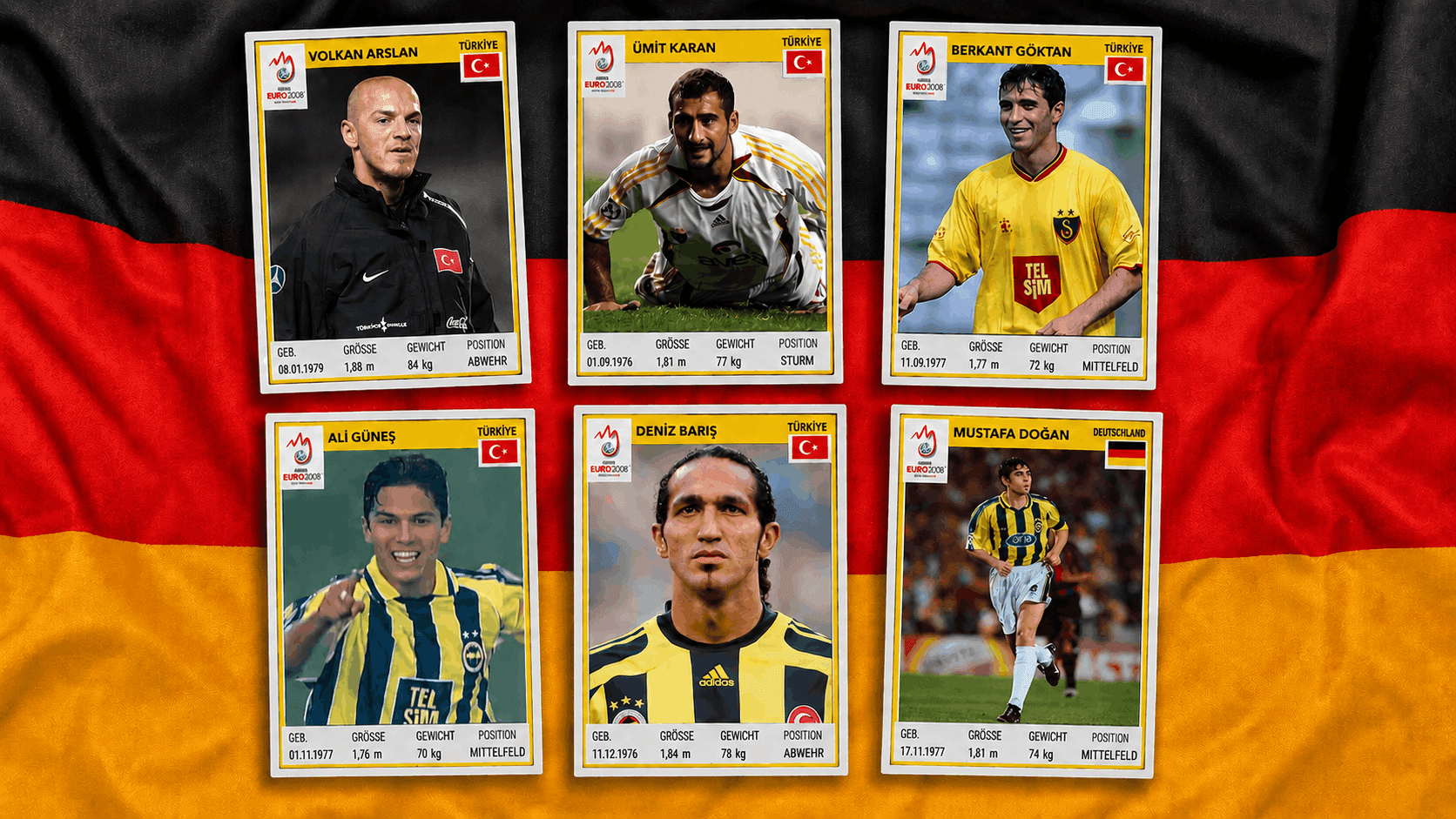
Media Hysteria and the “Cinema Scandal”
In Germany, a footballer going to a movie is a Tuesday. In Istanbul, it’s a front-page scandal. Volkan Arslan recalls being filmed at the cinema during a rest period, only to wake up to headlines claiming he had “escaped the camp to meet girls.” This tabloid pressure forced many Almancı players to retreat, keeping their interviews short and their personalities hidden behind safe clichés.
A Conflict of Values
Perhaps the most poignant part of the Almancı experience was the clash of ethics. Ali Güneş’s fallout with Jean Tigana at Beşiktaş highlights this perfectly.
When accused of disrespect, Ali stood his ground based on his German upbringing: honesty and a clean conscience over political maneuvering. In the cutthroat world of Turkish football—governed by hierarchy and “saving face”—the directness of a German-raised player was often mistaken for arrogance.
Summary: The Bitter-Sweet Return
Ultimately, these players became the bridge between two eras. They brought the professional standards that helped Turkish football modernize, but they paid a “cultural tax” to do so.
As Volkan Arslan jokingly noted, even after years in the country, they were “still just learning the language.” They were the soldiers among generals, navigating a world that was emotionally warm but professionally chaotic—forever balancing between the discipline of the West and the passion of the East.