


Nihat Kahveci and the La Liga Fever Dream
There are football careers that age gracefully, and then there are football careers that begin to feel fictional after enough time passes.
Nihat Kahveci’s Spain years now belong somewhere between nostalgia and hallucination. The more Turkish football fans revisit them, the less believable they become. A skinny kid from Beşiktaş somehow ended up running directly into the peak of Spanish football’s most absurd era — an era where every weekend felt less like a league fixture and more like a celebrity charity match accidentally played at full intensity.
This was not normal football.
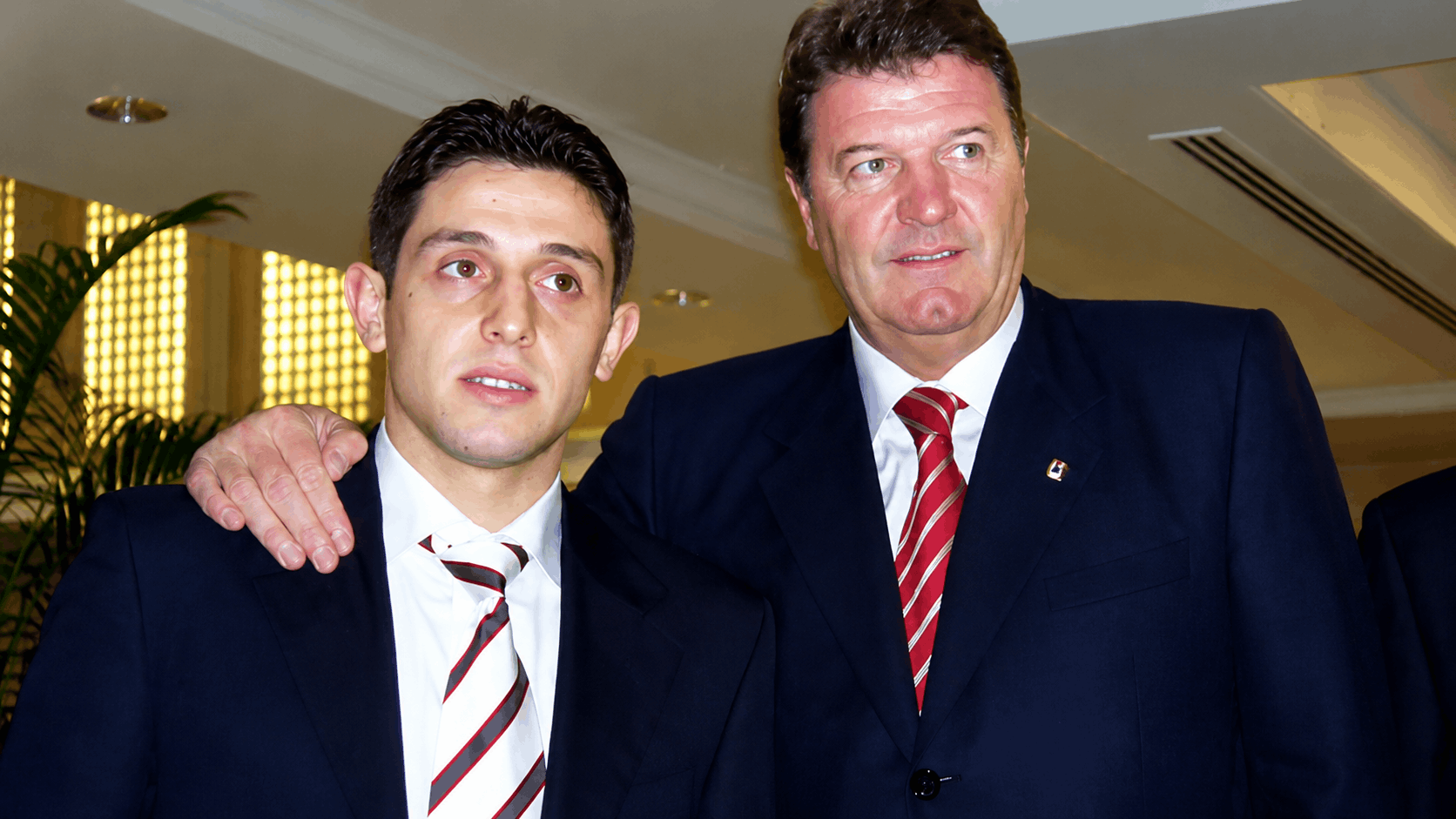
This was peak La Liga. Galácticos. Ronaldinho’s Barcelona. Villarreal before everyone realised Villarreal could actually ruin your life. Stadiums full of future Ballon d’Or winners. Midfields so technically gifted they made professional footballers feel like stadium security.
And somehow, in the middle of all this chaos, there was Nihat Kahveci from İstanbul.
Not surviving.
Thriving.
The Bernabéu Psychological Test
One of the funniest things about former footballers is how casually they describe experiences that would psychologically destroy normal people.
Nihat talks about entering the Santiago Bernabéu for the first time the way someone recalls visiting a shopping centre. But underneath the humour, you can hear the genuine disbelief.
He remembers warming up, stretching, trying to focus like every professional footballer is trained to do. Then the tunnel started producing names.
First came Roberto Carlos.
Then Luís Figo.
Then Raúl.
Then Zinedine Zidane.
Then Ronaldo.
At some point, football stopped feeling like football and started resembling one of those charity “Rest of the World XI” matches FIFA used to put on in PlayStation games.
Nihat admitted that before kickoff even began, you already felt mentally “5-0 down.” Not because Real Madrid were unbeatable tactically, but because every direction you looked contained a man whose face already belonged to football mythology.
And yet, the truly ridiculous part is this:
Nihat still scored against them.
Repeatedly.
The World’s Most Expensive Free-Kick Wall
Years later, Turkish football Twitter turned one particular screenshot into folklore.
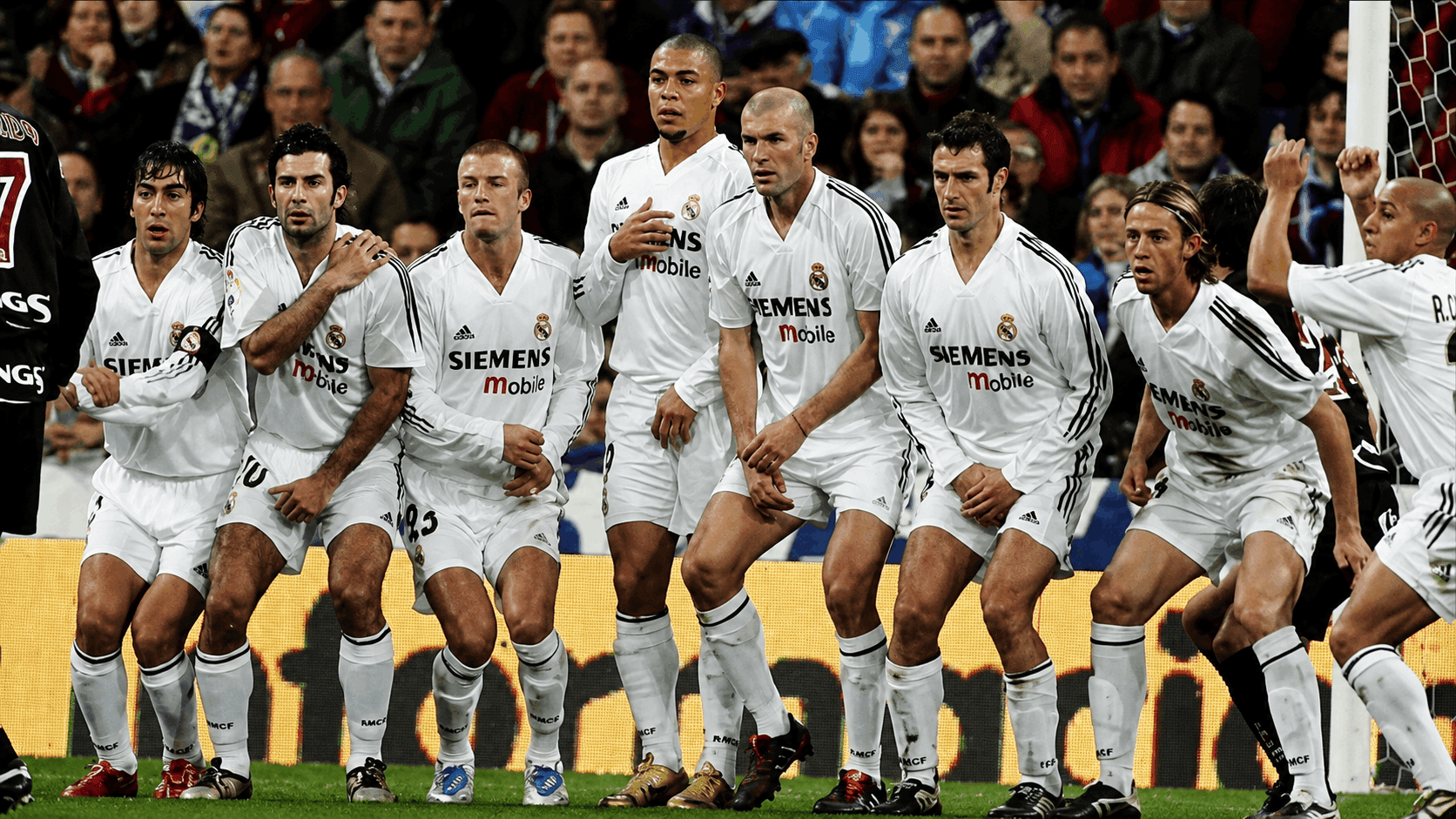
Nihat standing over a free-kick.
In front of him stood a defensive wall containing enough transfer value to destabilise several national economies.
At the time, he barely processed the absurdity because he was living inside it. Only later did he realise how insane it looked.
A free-kick against Real Madrid meant staring at a wall containing Zidane, Figo, Roberto Carlos, Raúl, Guti and other Galácticos whose weekly wages probably exceeded the GDP of small coastal towns.
Turkish fans later labelled it “the most expensive wall in football history,” which honestly still feels accurate.
The funniest part is that Nihat speaks about this with almost accidental modesty, as though it was completely normal for a Turkish striker from Beşiktaş to spend weekends trying to bend free-kicks around the most famous footballers on earth.
Ronaldo Nazário Ruins the Joke
Football has a beautiful way of punishing arrogance immediately.
Nihat tells one story involving Ronaldo that perfectly captures this.
Ronaldo had recently returned from injury and, by Ronaldo standards, looked a little heavier. Nihat glanced over during the match and thought he looked sluggish. Human. Vulnerable, even.
Dangerous mistake.
Within minutes, Ronaldo started moving properly and the illusion disappeared instantly. Two goals followed shortly afterwards.
Nihat now talks about the experience like a man who accidentally mocked a lion before realising it was awake. He still insists that younger fans who never properly watched “Fenomeno” cannot fully understand how terrifying he was.
Not just a scorer.
A phenomenon in the literal sense of the word.
Barcelona and the Feeling of Futility
If Real Madrid overwhelmed you with celebrity, FC Barcelona exhausted you psychologically.
Nihat describes facing Barcelona almost like a spiritual experience in suffering. You spent entire stretches of the match chasing the ball while players like Xavi and Andrés Iniesta passed it around with the emotional calmness of men organising furniture.
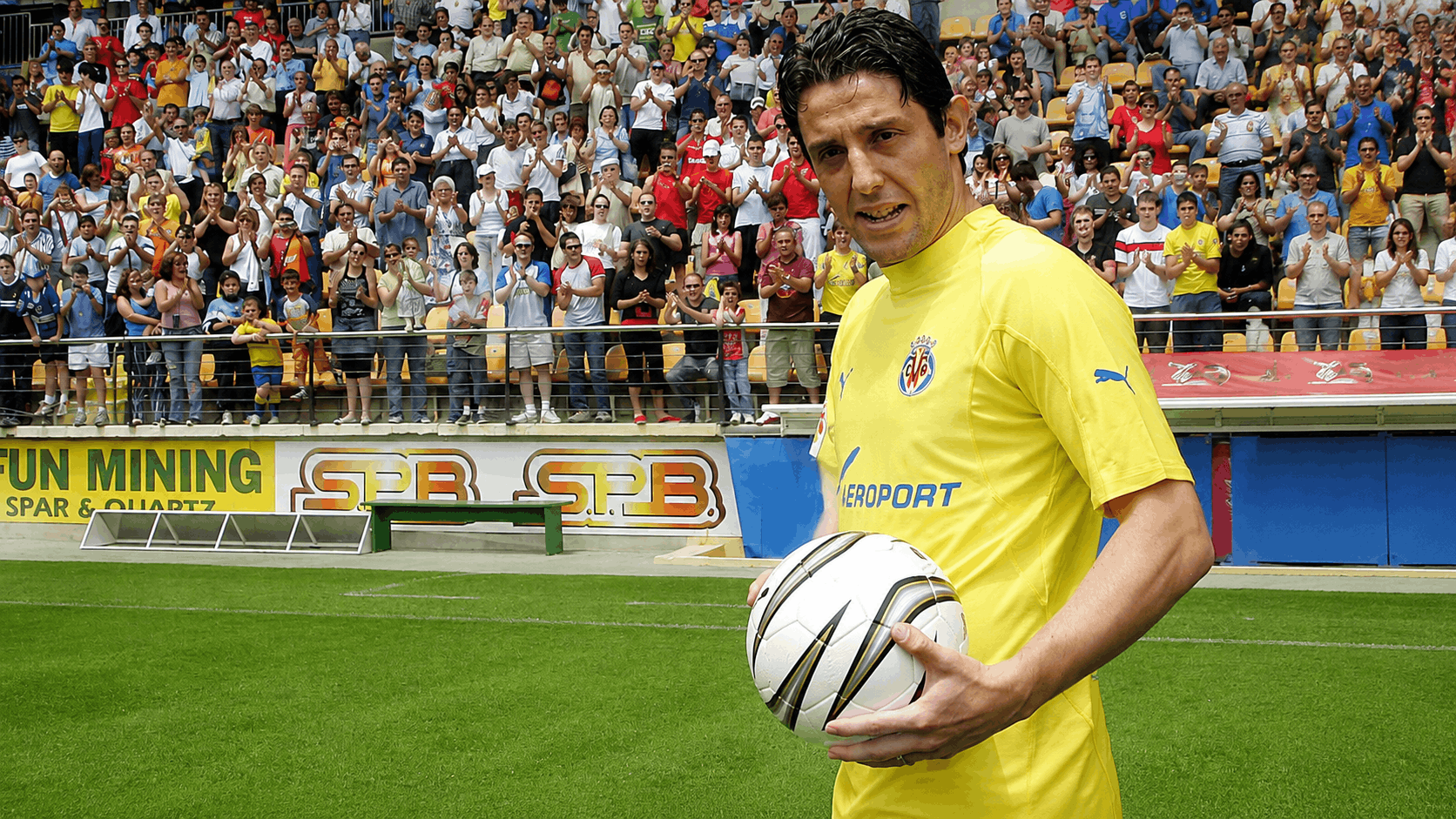
Then came Ronaldinho, smiling while casually humiliating defenders for recreational purposes.
Behind them waited Carles Puyol, prepared to head away anything that somehow escaped the midfield carousel.
Nihat joked that against Barcelona you stopped feeling like a footballer and instead became “a man chasing a ball for 90 minutes.”
Which, in fairness, was probably the exact experience most La Liga forwards had during that era.
Watching Messi Before the Explosion
One detail from Nihat’s stories now feels historically eerie.
He remembers seeing a young Lionel Messi entering matches while Ronaldinho affectionately encouraged him from the side. At the time, Messi was simply another talented Barcelona youngster.
But inside the club, you could already sense something was happening.
Nihat makes an interesting point about Barcelona’s structure: before Messi there was Rivaldo, before Rivaldo there were others, and after Ronaldinho they seamlessly prepared Messi. The machine never stopped moving.
Even then, though, he admits nobody could fully predict what Messi would become.
Because football history has produced many superstars.
It has not produced many Messis.
Cristiano Ronaldo’s “Sport Mode”
The funniest anecdote from the interview might be the one involving Cristiano Ronaldo at UEFA Euro 2008.
Nihat always considered himself quick. Not average-player quick either — genuinely elite-level quick.
Then he found himself sprinting beside Cristiano.
For a few seconds they were level.
Then, according to Nihat, Cristiano suddenly accelerated again “like pressing sport mode in a car.”
That second acceleration is what shocked him most. Professional footballers are accustomed to speed. What frightened him was discovering another layer beyond normal speed entirely.
He immediately started shouting for defensive support because, in his words, “we had a lot of players back there.”
Translation: somebody else needed to deal with this mutant.
The Kissing Incident That Made a Kitman Famous
Spanish football also gave Turkish football one of its most wonderfully random cult moments.
At Real Sociedad, Nihat became close with a moustached club employee who prepared his boots and equipment. Before a Basque derby against Athletic Bilbao, Nihat jokingly promised that if he scored, he would run over and kiss him during the celebration.
Then he scored an outrageous free-kick.
And because Turkish footballers operate according to ancient honour codes regarding promises made to moustached men, Nihat sprinted directly to the bench and kissed him.
The clip exploded.
Soon Turkish journalists were reportedly interviewing the kitman more than Nihat himself. The poor man became unexpectedly famous simply because a Turkish striker kept his word after scoring against Bilbao.
Which, honestly, feels like the most Turkish football story imaginable.
Xabi Alonso Before the World Knew
Long before Xabi Alonso became football’s favourite sophisticated midfield intellectual, Nihat already knew.
He remembers training with a young Alonso at Sociedad and immediately recognising that his passing was different. Not good. Different.
Nihat described Xabi’s long balls as passes that arrived “directly into your mouth,” which may genuinely be the most Turkish striker description of elite distribution ever recorded.
Before Liverpool.
Before Madrid.
Before Bayern.
Before the expensive knitwear and Champions League-winning coaching aura.
He was already there.
The Bomb Scare and Darko’s Priorities
Perhaps the greatest anecdote of the entire interview came during a match at the Bernabéu that was suspended because of a bomb threat.
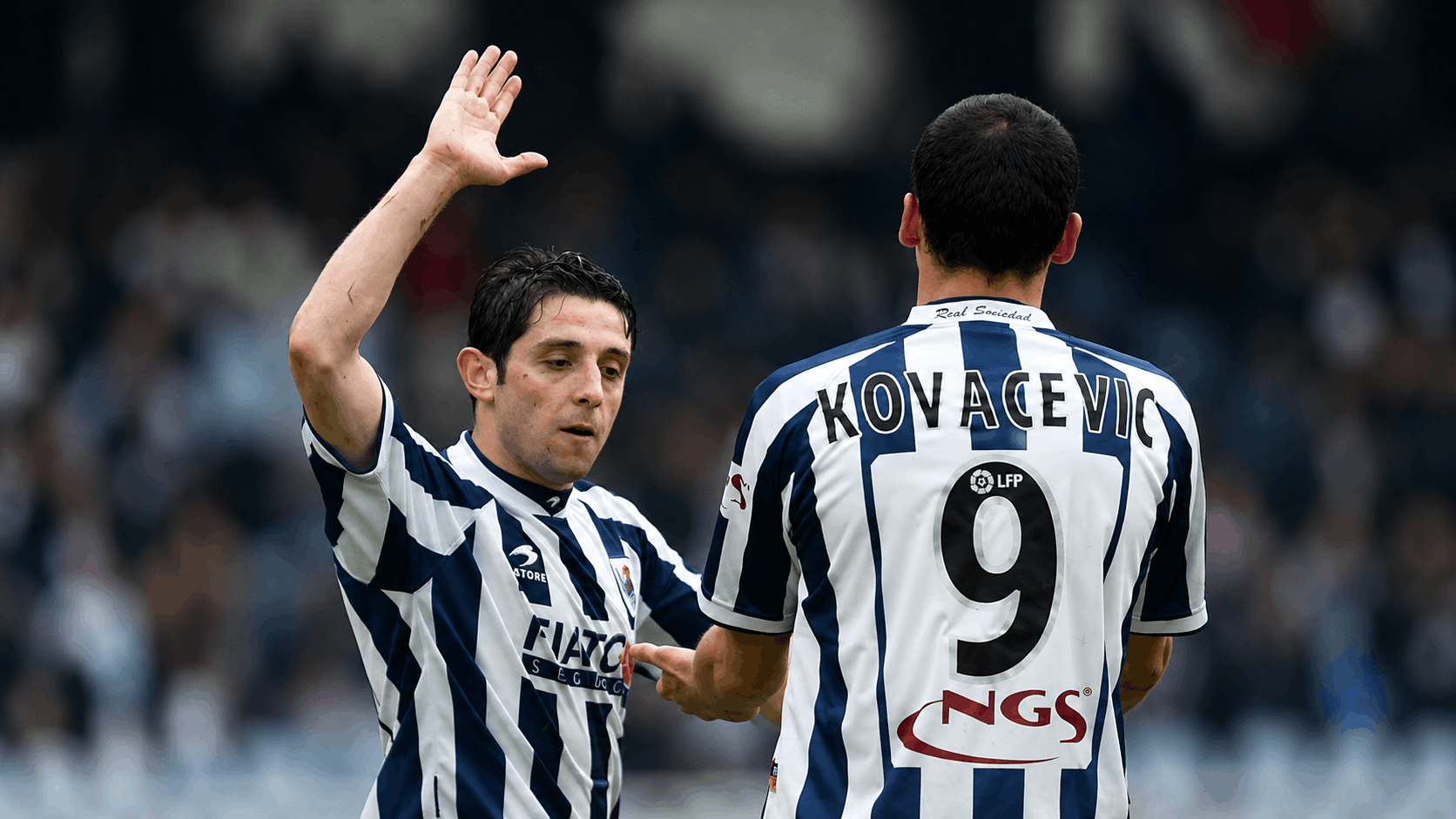
The stadium was evacuated. Panic spread everywhere. Players rushed toward safety.
But Nihat’s strike partner Darko Kovačević remained focused on the truly important issue:
Would Nihat’s goal still count?
Nihat remembers Darko later approaching him on the bus and anxiously asking whether the referee had officially stopped the match after the goal had been registered.
Imagine potentially dying in a terrorist incident and still protecting your strike-partner statistics.
That, right there, is proper centre-forward behaviour.
The Pichichi He Never Won
One of the strange things about Nihat’s Spanish career is how easy it is to forget just how elite he became there.
In the 2002–03 season, he scored 23 league goals in La Liga.
Twenty-three.
In modern Turkish football discourse, people sometimes speak about former players as though they merely “had a decent European spell.” Nihat was competing directly with Europe’s elite forwards every single week.
The only reason he did not finish as Spain’s top scorer was because Roy Makaay decided to behave like a malfunctioning machine for Deportivo de La Coruña and scored even more.
Even then, Nihat speaks about losing the Pichichi race without bitterness.
Because perhaps the strangest part of all this is that he still sounds faintly amazed it happened at all.
And honestly, so are we.