


Not Politics, Just Football: Israelis in the Süper Lig
For many outsiders, the idea of Israeli footballers playing in Turkey still sounds faintly improbable.
Turkish football, after all, is emotional enough without geopolitics joining the midfield battle.
Yet for over two decades, Türkiye has quietly become one of the few places in the wider region where Israeli footballers could realistically build careers, play in front of huge crowds, and, crucially, feel culturally comfortable doing so.
Not because politics disappeared and certainly not because every transfer turned into some grand peace summit wrapped in a scarf and presented before kick-off but because football, especially in the Mediterranean world, often operates in a parallel universe built on familiarity, temperament and shared cultural instincts rather than foreign ministry press releases. That matters.
Long before modern politics complicated things, Jewish communities lived under Ottoman rule for centuries, particularly after Sephardic Jews expelled from Spain were welcomed into Ottoman lands in the late 15th century. Many Israeli families today still carry traces of Istanbul, Izmir or wider Anatolian heritage in their surnames, food, music and family memory. Turkey also became the first Muslim-majority country to formally recognise the independence of Israel in 1949.
None of this erased future tensions between governments but it did create a layer of familiarity that football later inherited.
Which partly explains why Turkish stadiums often treated Israeli footballers less like exotic outsiders and more like slightly distant Mediterranean cousins who happened to arrive with a decent left foot and in footballing terms, Turkiye made sense.
Türkiye became one of the few realistic and culturally workable destinations for Israeli footballers in the wider region.
There were several reasons for that:
- geographically and culturally Mediterranean,
- existing historical familiarity between Turks and Jews,
- relatively affordable transfer fees and wages,
- Turkish clubs constantly hunting for technically skilled but financially accessible foreign talent,
- and Türkiye being practically the only major Muslim football market where Israeli players could realistically play without the move becoming politically impossible.
Still, none of this guaranteed success. Turkish football eats reputations for breakfast.
Some Israeli players adapted beautifully. Others disappeared into the great Anadolu vortex, never to be spoken of again except by men smoking outside betting shops.
First documented (that is, according to Transfermarkt) Israeli footballer in Turkey was Avraham Almog (Galatasaray, 1960)
The first true superstar was, of course, Haim Revivo.
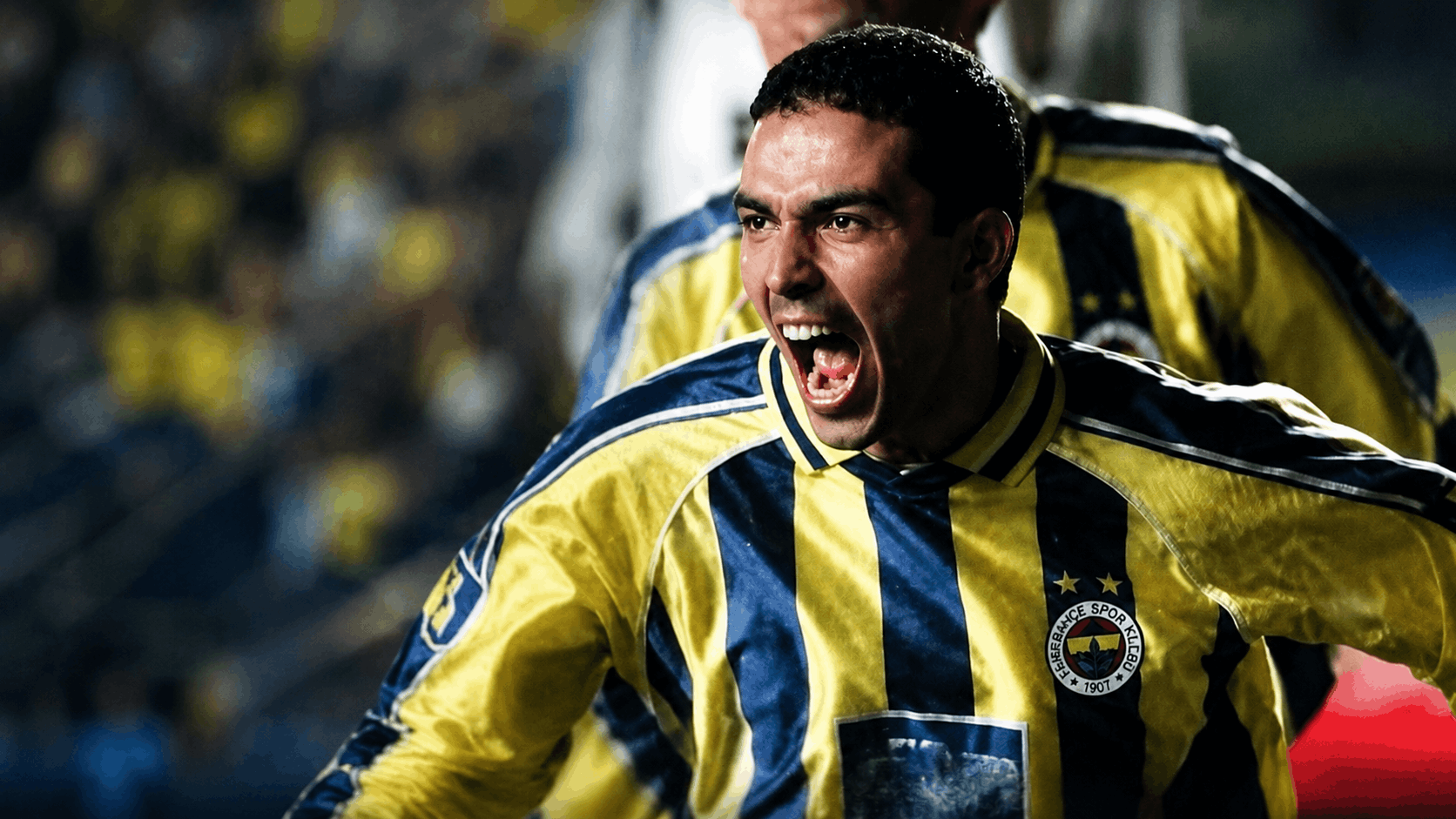
When Revivo arrived at Fenerbahçe in 2000 from RC Celta de Vigo, he was not merely “an Israeli player.” He was a genuine international star. A La Liga playmaker with glamour, swagger and free-kicks that looked computer-generated and somehow, despite the pressure cooker insanity of Turkish football, he fit immediately.
Revivo understood the rhythm of Turkish football: the emotion, the theatre, the need for foreign stars to embrace chaos rather than fear it. He helped Fenerbahçe win the title, became wildly popular in Kadıköy, and then somehow pulled off the almost impossible by later joining Galatasaray without turning into public enemy number one. That alone deserves a small statue.
Then came Pini Balili, perhaps the most “Turkish league” Israeli footballer of them all.
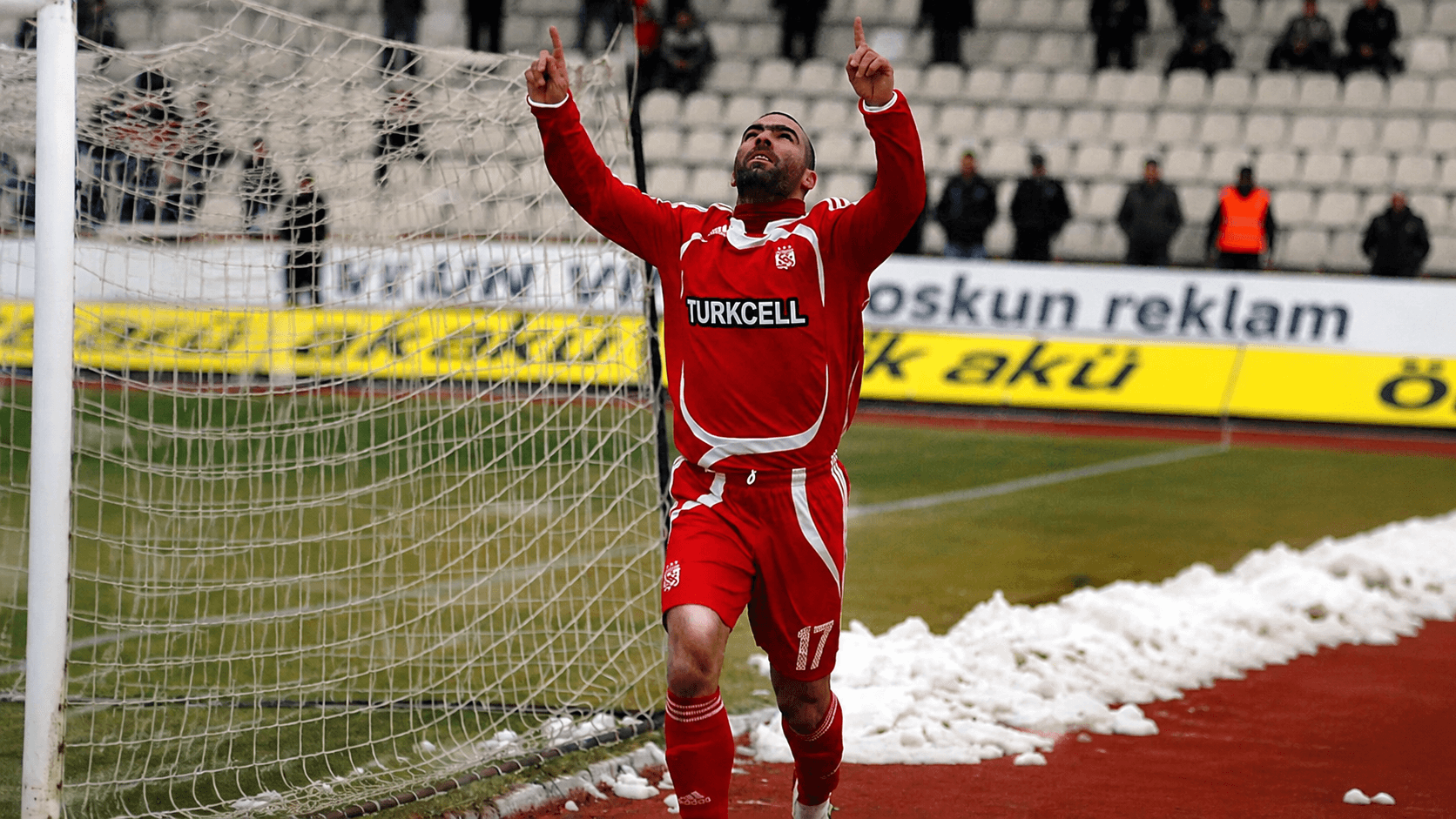
Balili was not glamorous like Revivo. He was more chaos merchant than Mediterranean artist. Fast, emotional, occasionally unpredictable and perfectly suited to the glorious nonsense of mid-2000s Süper Lig football.
At Sivasspor and later Antalyaspor, Balili became one of those cult foreign players Turkish fans adore: not necessarily world-class, but memorable, passionate and slightly mad in exactly the correct dosage.
He played like somebody permanently arguing with both defenders and himself.
Then there was Ronen Harazi, who had a brief and less successful Turkish adventure with Bursaspor in the late 1990s. Harazi arrived before the “Israeli player in Turkey” pathway truly existed, which perhaps made adaptation harder. Turkish football back then was even more chaotic, less globalised and considerably less patient.
In many ways, players like Harazi were prototypes for what came later.
More recently, Turkish clubs have continued quietly dipping into the Israeli market.
Dia Saba arrived at Sivasspor carrying a slightly different significance. An Arab-Israeli footballer with Palestinian roots playing in Turkey added another layer of regional complexity that only football could casually absorb and continue with as normal on a Sunday afternoon.
Technically gifted and intelligent between the lines, Saba showed the same qualities Turkish clubs have long sought from Israeli footballers: technique, tactical flexibility and emotional resilience.
Eden Kartsev joined İstanbul Başakşehir during a period when Turkish clubs increasingly viewed Israel as a financially sensible scouting market: close enough culturally, competitive enough technically, but often cheaper than Western Europe.
Similarly, İsmail Ryan (better known in Israel as Ismaeel Ryan) represented another modern example of Israeli-Arab footballers finding opportunities in Turkish football’s enormous and unpredictable ecosystem.
And that may be the most interesting part of this entire story.
Israeli footballers in Turkey were never really treated as a grand political project. They were simply footballers. Some succeeded brilliantly. Some struggled. Some became cult heroes. Some vanished after six rainy away trips to Kayseri. Which, honestly, is the most Turkish football outcome imaginable.
Because once the whistle blows in Turkey, identity usually comes second to one far more important question: “but can he play?”