

Arsenal, PSG, Galatasaray and the Long Memory of European Heartbreak
Budapest was supposed to be the night Arsenal finally grew out of their European history.
Instead, it became another chapter inside it.
For 120 minutes at the Puskás Aréna, Mikel Arteta’s side did almost everything required to win the UEFA Champions League. They defended brilliantly. They controlled the tempo. They survived PSG’s pressure. They even led early through a thunderous Kai Havertz finish that momentarily made Arsenal supporters believe the long wait was over.
And then football dragged them somewhere painfully familiar. Penalties. Again.
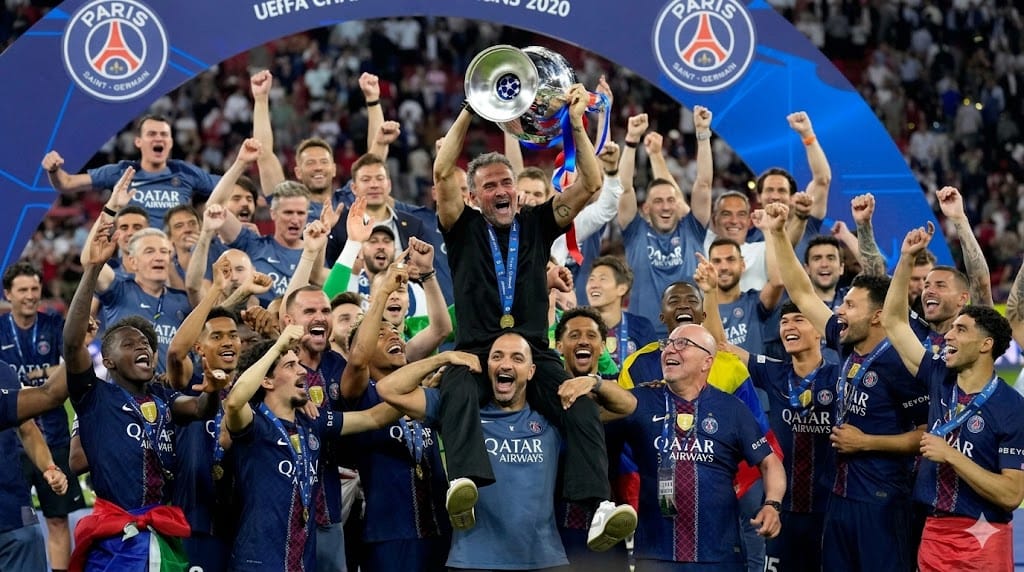
Paris Saint-Germain eventually won 4–3 in the shootout after a 1–1 draw, with Gabriel Magalhães blasting the decisive kick over the crossbar. Arsenal players collapsed into the Budapest turf while PSG celebrated another European crown.
For older football supporters, especially Turkish ones, the scene felt strangely familiar.
Because Arsenal have seen this film before. And Galatasaray once played a leading role in it.
On a humid night in Budapest, beneath the lights of the Puskás Aréna, Mikel Arteta’s Arsenal somehow managed to do the impossible and the inevitable at the same time. They went through an entire UEFA Champions League campaign unbeaten across 120 minutes of football — and still finished the season without the trophy.
Football can be cruel like that.
Kai Havertz fired Arsenal ahead after just six minutes with a finish that looked less like a shot and more like a declaration. PSG staggered. Arsenal controlled long stretches. They defended with the discipline of an Italian side and the nervous energy of a club painfully aware of its own history.
But history has a strange habit of waiting patiently.
In the 65th minute, Ousmane Dembélé converted a penalty after a clumsy foul on Khvicha Kvaratskhelia. From there, the match descended into the kind of psychological warfare Arsenal supporters know all too well. Extra time passed without a goal. Then came penalties. Then came the shaking legs.
Eberechi Eze missed.
Gabriel Magalhães skied the decisive kick over the bar.
Paris Saint-Germain celebrated another European crown while Arsenal players collapsed onto the Budapest grass, staring into the same continental abyss that has haunted the club for decades.
And somewhere, in the back of every older Arsenal supporter’s mind, Copenhagen returned again.
Because for Turkish football fans, Arsenal’s European suffering will forever have a red-and-yellow chapter.
The year was 2000.
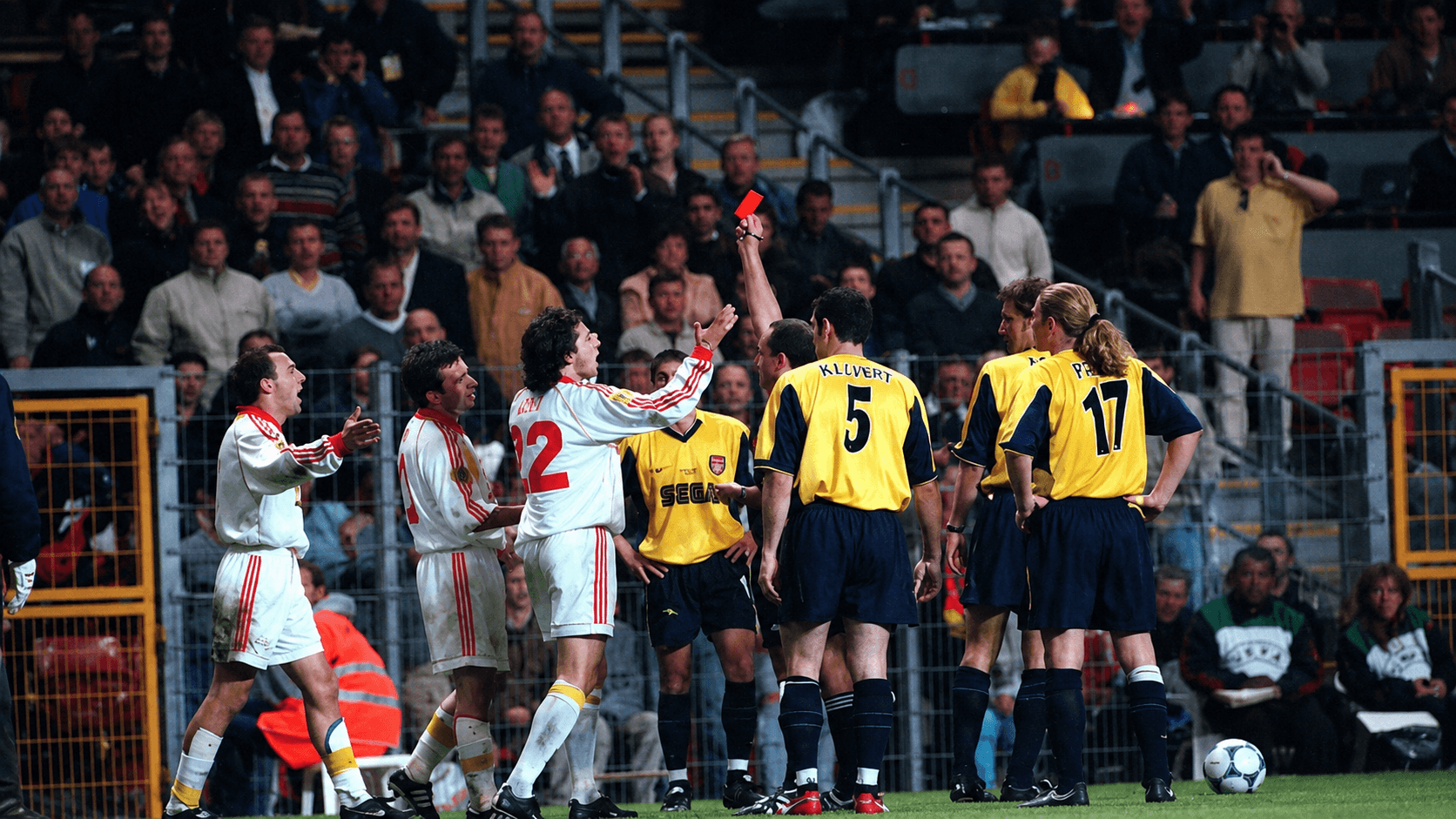
Thierry Henry. Dennis Bergkamp. Patrick Vieira. A glamorous Arsenal side arrived in Copenhagen expecting to win the UEFA Cup final against Galatasaray. On paper, it looked like another chapter in Western Europe’s football hierarchy.
Instead, it became one of the most important nights in Turkish football history.
Galatasaray did not beat Arsenal with brilliance alone. They beat them with endurance. With chaos. With nerves. With that uniquely Turkish ability to drag football matches into emotional trench warfare.
For 120 minutes, Arsenal could not break them.
Then came the penalties.
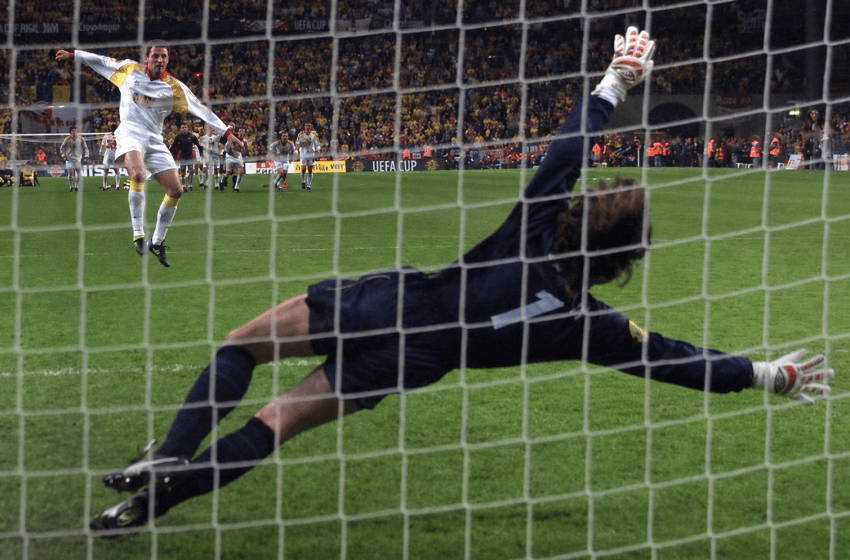
Davor Šuker hit the post.
Patrick Vieira hit the crossbar.
Galatasaray scored every single kick.
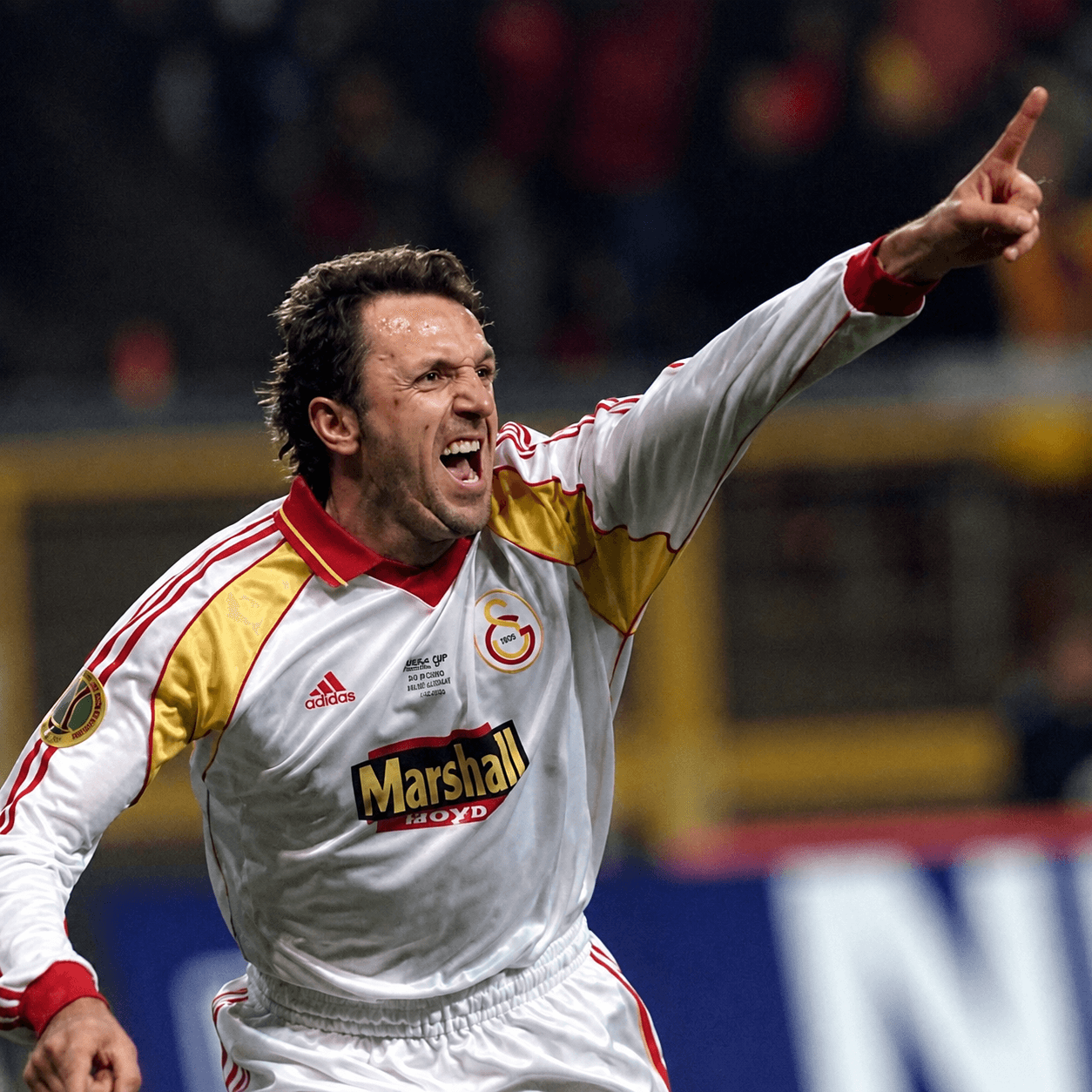
And just like that, a Turkish club lifted a major European trophy for the very first time.
Twenty-six years later, Arsenal are still haunted by the same ghosts.
The similarities are almost uncomfortable.
Another final. Another draw. Another penalty shootout. Another collapse.
European football history is full of clubs with curses, but Arsenal’s continental story feels different because it is not built on humiliation. It is built on interruption. On moments where glory appears close enough to touch before vanishing at the exact second their supporters begin to believe.
The pattern stretches across generations.
In 1995, Nayim broke Arsenal hearts from almost 40 yards out for Real Zaragoza.
In 2000, Galatasaray outlasted them.
In 2006, they led Barcelona before collapsing late.
In 2019, Chelsea dismantled them in an all-English Europa League final.
And now, in 2026, PSG have joined the list.
Five major European finals.
Five defeats.
And somehow, the most painful part is that this Arsenal side was genuinely magnificent.
They had just won their first Premier League title since the Invincibles.
They conceded only seven goals during the entire European campaign.
They eliminated Bayer Leverkusen, Sporting CP and Atlético Madrid on the road to Budapest.
Kai Havertz even entered football history by becoming only the third player ever to score in Champions League finals for two different clubs.
Yet none of that will matter to supporters waking up the next morning.
Because football only remembers the team holding the cup.
There is another strange Turkish layer hidden inside this story too.
PSG and Galatasaray have spent decades colliding with one another in emotionally unstable European nights.
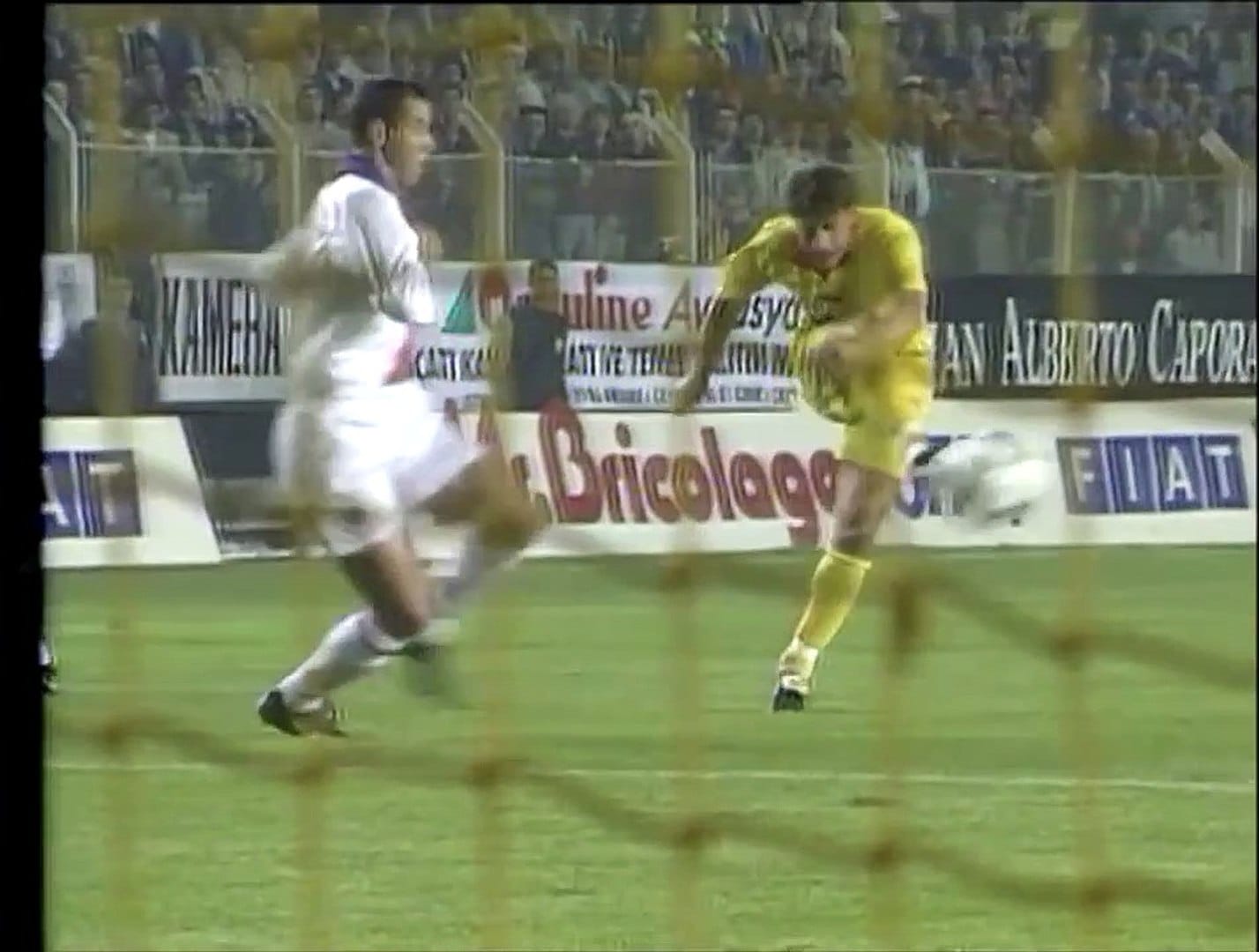
Older Galatasaray supporters still remember Fatih Terim’s side demolishing PSG 4–2 at Ali Sami Yen in 1996. Hakan Şükür scored twice. Tugay ran the midfield. Istanbul shook beneath the floodlights.
And then Paris destroyed them 4–0 in the return leg.
That rivalry only became more volatile with time. Red cards. Fan violence. Police interventions. Parc des Princes chaos. European nights where football often felt secondary to the tension in the stands.
PSG eventually grew into the modern superclub Qatar dreamed of building. Galatasaray remained football’s beautiful Balkan-Turkish madness.
And Arsenal?
Arsenal somehow became football’s great nearly-men of Europe. Not failures. Not bottlers. Something sadder than that.
A club eternally good enough to reach the door, but never quite able to walk through it.
Which perhaps explains why the 2000 Galatasaray defeat still hurts some Arsenal supporters so deeply.