

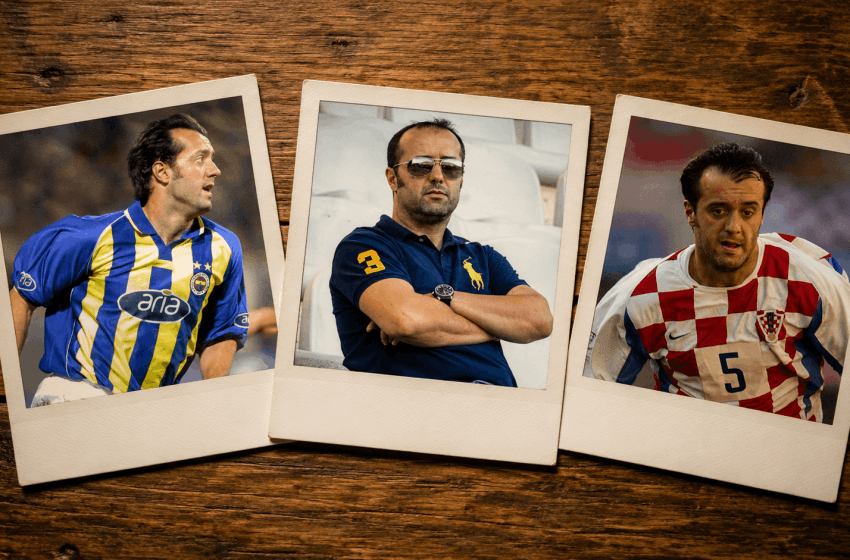
Rapaić Didn’t Do Sports Science
There are footballers who leave behind trophies. Others leave behind goals. Milan Rapaić somehow left behind cigarette smoke in the corridors of the old Şükrü Saracoğlu.
Ali Güneş’s story about Rapaić perfectly captures why early-2000s Turkish football felt gloriously unhinged compared to today’s sanitised game.
Ahead of a Champions League clash against FC Barcelona, young Ali Güneş could not sleep from excitement. He was nervous, restless, overwhelmed by the occasion. Meanwhile, Rapaić spent the entire night casually smoking cigarettes and talking on the phone.
Ali recalled looking at him in disbelief: “I couldn’t even sleep from excitement. He stayed awake all night smoking and chatting… then went out and played against Barcelona.”
And that was the thing with Rapaić. He looked less like a professional footballer and more like a nightclub owner who’d accidentally wandered into a Champions League fixture. Yet once the match started, he could completely control a game with one left foot.
Ali also revealed that Rapaić would sometimes disappear into the toilets during half-time, only for smoke to mysteriously drift back out into the dressing room. Nobody said anything. Because this was Rapaić. Different rules applied.
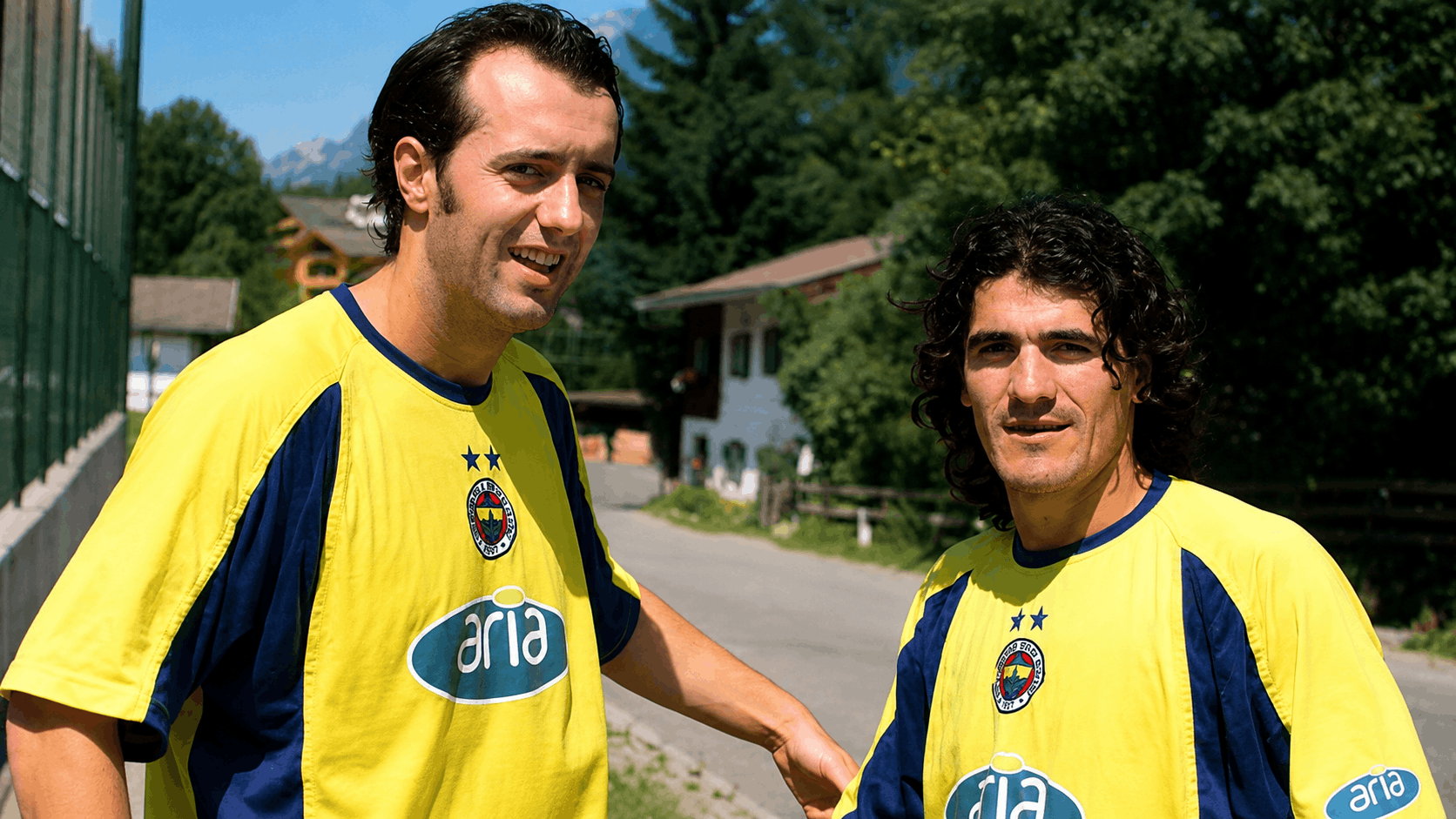
That old Fenerbahçe dressing room was full of young “soldiers” like Ali Güneş and Serhat Akın doing the running, while veteran stars like Rapaić operated on pure chaos and genius.
Modern football would probably send a wellness consultant into cardiac arrest after hearing these stories. But that’s exactly why Turkish football fans still adore characters like Rapaić. He belonged to an era before footballers became corporate robots with protein shakes and PR training.
Turkish football never truly fell in love with perfection. It fell in love with personalities.
And Rapaić was one of the greatest personalities the Süper Lig ever imported.