

The Pre-Social Media Football World Was Happier and Weirder
Before footballers became hostage negotiators for their own Instagram comment sections, Turkish football existed in a glorious, half-mythological state. It was a world where superstition, neighborhood pressure, “airport aunties,” and grown men sacrificing livestock on the pitch somehow coexisted as a perfectly natural ecosystem.
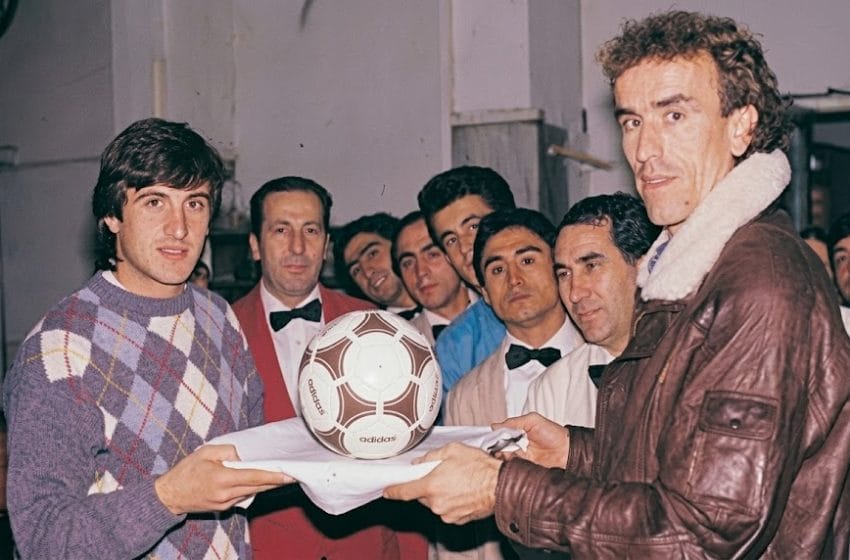
Listening to Hami Mandıralı reminisce about the 1990s feels less like a sports interview and more like a dispatch from a vanished civilization. It was a time when players lived among the people, fans insulted you out of love, and no one needed a PR team to explain what a player “really meant.”
The “Economic Delusion” of the Modern Game
Hami’s most piercing observation isn’t about tactics, but about the “expensive circus” the game has become. He speaks with the exhausted tone of a man watching his childhood neighborhood be replaced by a sterile shopping mall.
His verdict is blunt: “Türk futbolu ekonomik olarak batmış bitmiş” (Turkish football is economically finished).
He argues that the system is currently propped up by political goodwill and debt restructuring rather than sustainable heart. In the ’90s, clubs built identities; today, they build brands. Hami criticizes the obsession with importing fading foreign stars for short-term “glamour” while the concrete walls of Faroz—where he once honed his legendary strike—sit silent.
Interestingly, he points to İstanbul Başakşehir as a rare beacon of professionalism. Not because they are romantic, but because they operate like adults in a room full of panic-buying teenagers. In the 1990s, chaos was part of the charm. By the 2020s, chaos became the business model.

The Mythology of the “Skinny Lad”
The digital age has robbed us of mystery. Former Beşiktaş captain Nihat Kahveci notes that during his years at Real Sociedad, his exploits existed largely as “word-of-mouth mythology.”
There were no Instagram stories or “Link in Bio.” There were only late-night La Liga broadcasts and newspaper back pages. You would simply hear rumors that a “skinny lad from Beşiktaş” was casually terrorizing Galáctico-era Real Madrid. Because fans couldn’t track his every meal or workout, Nihat felt larger than life. The gaps in the information were filled with awe.
The 24-Hour Emotional Performance
Nihat also highlights a hidden tax on modern players: the demand for constant emotional labor. In the ’90s, you played, trained, and carried the weight of millions in relative silence. There was no instant outrage cycle if you looked bored in a warm-up video or misplaced a pass in training.
Ironically, despite being far more culturally iconic, players of that era lived under significantly less surveillance. They were allowed to be humans from Monday to Saturday, rather than content creators who happened to play football on Sundays.
Trabzon: A Collective Emotional Condition
Hami’s most vivid stories come from Trabzon; a city where football isn’t entertainment; it’s a clinical diagnosis.
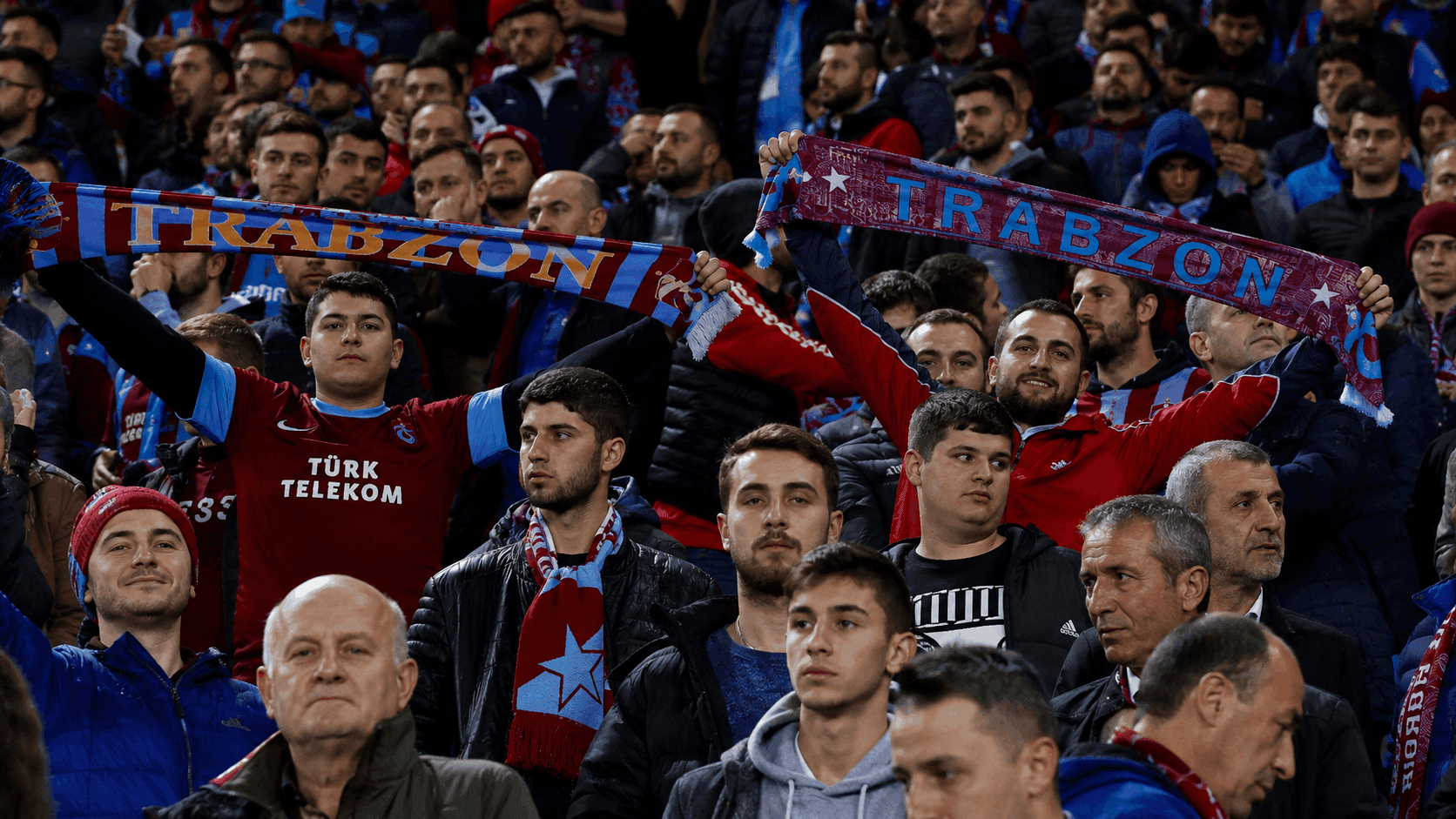
Today’s fans vent via keyboard; ’90s Trabzon fans preferred the “direct confrontation” method. Hami recalls this fondly. He tells the story of an angry supporter sitting next to Hami’s own brother in the stands.
- The Miss: After Hami sent a shot into orbit, the fan unleashed abuse loud enough to rattle the stadium.
- The Goal: Hami scores. The fan goes silent.
- The Second Goal: The fan quietly changes seats.
- The Hat-trick: The man is seen frantically relocating across the stadium to avoid eye contact with anyone related to the Mandıralı bloodline.
No screenshots, no apology statements, no “misinterpreted” captions. Just raw, theatrical accountability unfolding in real-time.
The Tea House Philosophy
Hami’s final plea is almost impossibly old-fashioned: He wants players to go back to the tea houses.
He believes modern players make a mistake by isolating themselves behind tinted windows and gated compounds. In his view, when fans see your humanity—when they see you walking through the neighborhood or sipping tea—they become your protectors.
In the pre-social media world, you could be abused one minute, invited for tea the next, and hugged after a winner twenty minutes later. It was messy, loud, and entirely unpolished.
Healthier? Perhaps.
Weirder? Absolutely.
Better? Just ask the man who lived it.